Choosing which modern U.S. coin to collect is a common question for new and intermediate numismatists. The Sacagawea Dollar and Kennedy Half Dollar are both modern classics with different strengths. This guide compares them side by side and gives practical advice so you can decide which coin fits your collecting goals.
Sacagawea Dollar vs Kennedy Half Dollar: Quick Overview
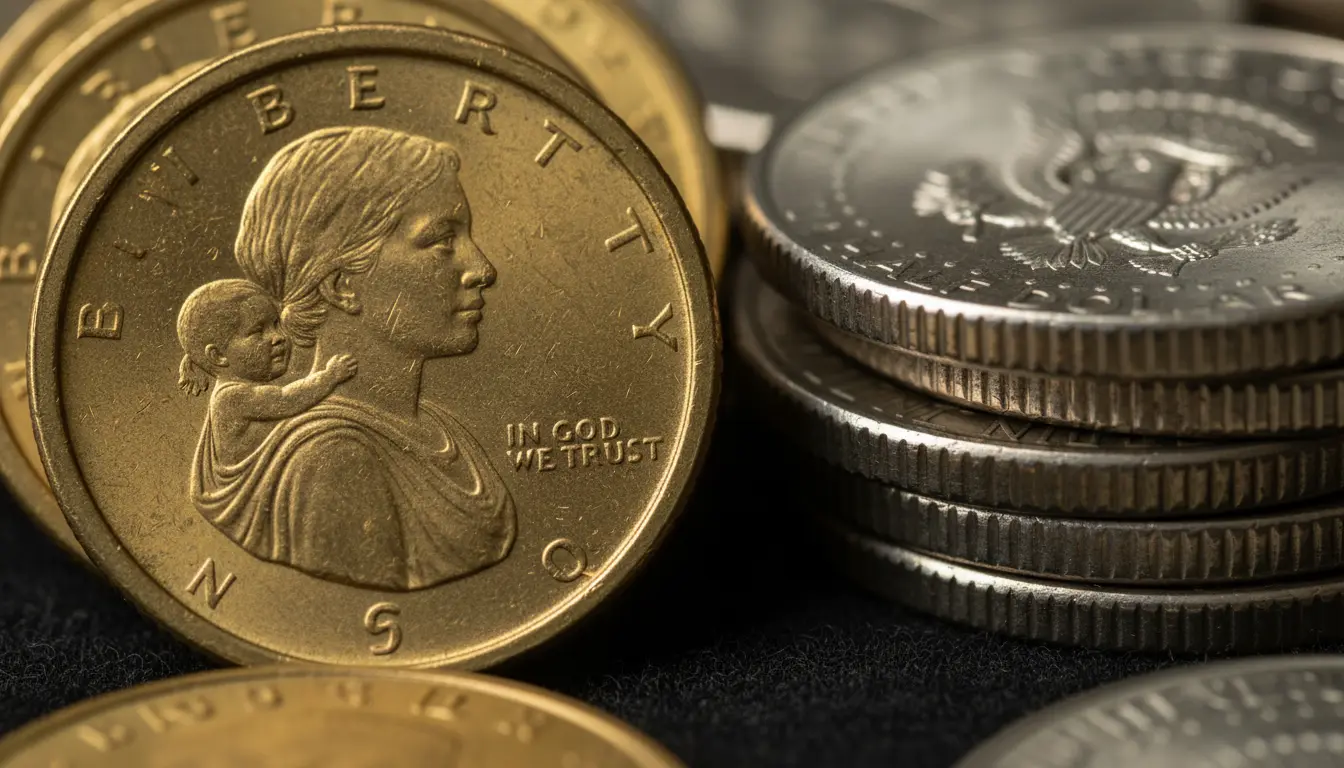
The Sacagawea Dollar was introduced in 2000 and features Sacagawea carrying her infant son. It is a golden-colored dollar intended for circulation and collectors.
The Kennedy Half Dollar debuted in 1964 after President Kennedy’s assassination. Its silver content changed over time and it remains a popular collectible for those who favor classic U.S. designs.
Sacagawea Dollar: Basics and Appeal
Design: Obverse shows Native American guide Sacagawea and her son, while the reverse originally featured a soaring eagle and later various designs for special issues.
Specifications: Copper core with manganese-brass cladding, 26.5 mm diameter, 8.1 grams. Most modern Sacagawea Dollars are clad and not silver.
Why collectors like it: The modern look, interesting golden color, and Presidential/Native American reverse series make it easy to build sets and follow yearly variations.
Kennedy Half Dollar: Basics and Appeal
Design: John F. Kennedy’s profile on the obverse and the presidential seal (or other commemoratives) on the reverse. Early issues (1964) are 90% silver, 1965–1970 are 40% silver, and post-1970s issues are copper-nickel clad.
Specifications: 30.6 mm diameter, 11.34 grams for modern clad versions. Silver content is the main factor affecting value for older coins.
Why collectors like it: Historical connection to JFK, silver content on older issues, and many special mint and proof sets create collecting paths for different budgets.
How the Two Coins Compare for Collectors
- Availability: Sacagawea Dollars were minted in large numbers but many were not circulated heavily, making some mint-state pieces plentiful. Kennedy Halves are widely available but 1964 and 1965–1970 silver issues are scarcer in high grade.
- Value: Most modern Sacagawea Dollars carry face value unless in rare mint errors or special issues. Kennedy Halves from 1964 and 1965–1970 carry intrinsic silver value and higher collector premiums in uncirculated or proof grades.
- Design Interest: Sacagawea appeals to collectors of modern thematic series; Kennedy appeals to history buffs and silver collectors.
- Ease of Collecting: Sacagawea offers many easy-to-complete sets (years, mint marks, reverse designs). Kennedy collecting can be costlier if you target silver or high-grade originals.
Key Buying Considerations
- Decide if you collect for metal value (silver) or design/series completion.
- Set a budget: Kennedy silver pieces cost more than clad Sacagawea pieces in general.
- Look for condition: collector-grade (MS65+) coins command higher prices regardless of type.
The Sacagawea Dollar was intended to replace the Eisenhower dollar in daily use, but public acceptance was limited. Because of that, many Sacagawea Dollars were saved and today are commonly found in mint state condition.
Practical Steps to Choose Which Coin to Collect
Follow a short checklist to make the decision easier. This gives you a clear collecting plan and avoids impulse buys.
- Define your goal: metal value, historical interest, or series completion.
- Set a budget: monthly and total portfolio limits.
- Research key dates and mint marks for both series using a trusted price guide.
- Buy gradually: start with circulated examples, then move to higher grades as you learn grading basics.
Small Real-World Case Study
Case: Maria, a new collector, had a $200 budget and wanted a mix of metal value and attractive designs. She purchased a 1964 Kennedy Half in VF condition for $60 and three Sacagawea Dollars in MS63 from online auctions for $40 total.
Outcome: Maria ended up with a silver-bearing Kennedy as a small investment and a start to a Sacagawea set that could be expanded by adding mint marks and special reverse designs. Her approach balanced immediate value and a longer-term hobby plan.
Examples of Collecting Paths
- Budget Beginner: Collect common Sacagawea Dollars by year and mint mark — low cost, visually uniform set.
- Historical and Metal Focus: Target Kennedy Halves from 1964 and 1965–1970 for silver content and historical value.
- Advanced Collector: Seek high-grade (MS/PR) examples, key dates, and error coins in either series for higher premiums.
Tips for Buying and Storing
- Buy from reputable dealers or auction sites with return policies.
- Inspect photos closely or request certificates for high-grade coins.
- Store coins in acid-free holders or capsules and keep them in a dry, stable environment.
Final choice depends on your priorities. If you want an affordable, visually consistent series to collect, Sacagawea Dollars are a good choice. If you prefer historical significance and potential metal value, especially for older silver, target the Kennedy Half Dollar series.
Both coins have active markets and many sub-collecting paths. Start small, learn grading and market prices, and expand your collection based on what you enjoy and can afford.