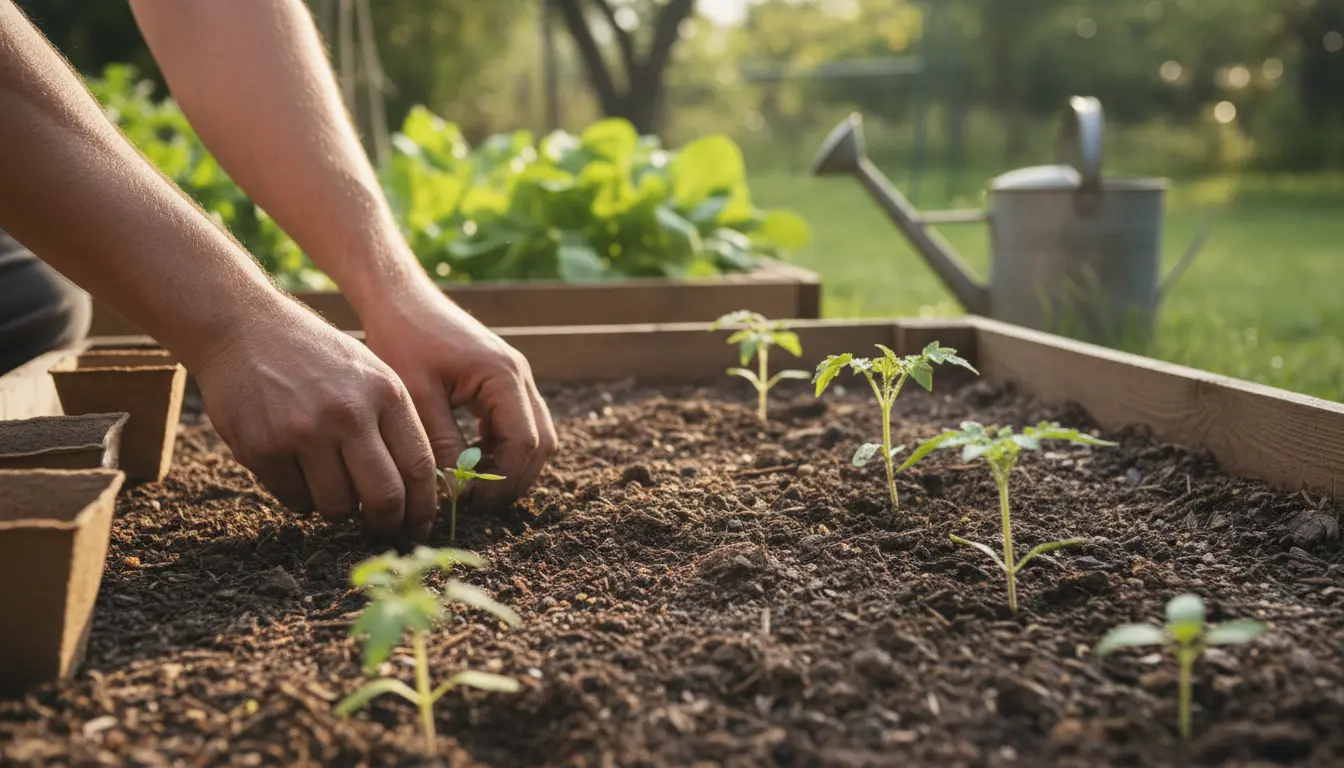
How to Start a Vegetable Garden: First Steps
Starting a vegetable garden begins with simple planning and realistic goals. A small, well-maintained space can produce more than an unmanaged large plot.
Choose the Right Site for Your Vegetable Garden
Select a spot that gets 6–8 hours of direct sun for most vegetables. Sunlight is the single most important factor for higher yields.
Check access to water and ease of reach for daily maintenance. Avoid low spots that collect cold air or water.
Soil and Bed Options for a New Vegetable Garden
Decide between in-ground beds and raised beds or containers based on soil quality and back strain. Raised beds warm faster in spring and give better drainage.
Conduct a simple soil test to check pH and nutrient levels. Many local extension services offer inexpensive testing and recommendations.
Prepare Soil and Improve Fertility
Loosen compacted soil and remove large stones, roots, and debris before planting. Good structure lets roots breathe and hold moisture.
Incorporate organic matter—compost, well-rotted manure, or leaf mold—to improve fertility and drainage. Aim for 2–4 inches of compost mixed into the top 6–8 inches of soil.
Basic Soil Mix for Containers and Raised Beds
- 40% high-quality topsoil
- 30% compost
- 20% coconut coir or peat moss for moisture retention
- 10% perlite or coarse sand for drainage
Plan What to Plant in Your Vegetable Garden
Start with easy, high-yield crops like tomatoes, lettuce, radishes, beans, and herbs. Choose varieties labeled “disease-resistant” for fewer problems.
Think vertically: trellis peas and beans to save space and improve airflow. Succession planting extends harvests through the season.
Vegetable Garden Layout Tips
- Group plants by water needs to avoid over- or under-watering.
- Use companion planting where beneficial—for example, basil near tomatoes.
- Leave walking paths for easy access and maintenance.
Planting and Watering Your Vegetable Garden
Follow seed packet or plant tag instructions for spacing and depth. Overcrowding reduces airflow and increases disease risk.
Water deeply and less often to encourage deep root growth. Early morning watering reduces evaporation and disease pressure.
Watering Checklist for Vegetable Gardens
- Check soil moisture 1–2 inches below the surface.
- Use drip irrigation or soaker hoses to minimize leaf wetting.
- Mulch (2–3 inches) to retain moisture and reduce weeds.
Pest and Disease Management in a Vegetable Garden
Monitor plants weekly for pests and early disease symptoms. Early action prevents larger outbreaks and crop loss.
Use integrated pest management: hand-pick pests, encourage beneficial insects, and apply organic controls like neem or insecticidal soap when needed.
Common Problems and Quick Fixes
- Aphids: spray with water or use insecticidal soap.
- Fungal leaf spots: increase airflow and avoid overhead watering.
- Slugs: set beer traps or use iron phosphate bait.
Seasonal Care and Crop Rotation for Your Vegetable Garden
Rotate plant families year to year to reduce soil-borne diseases and nutrient depletion. Follow a 3-year rotation if possible.
Adjust planting dates by your frost dates—plant tender crops after the last frost and cold-tolerant crops earlier in spring or in fall.
Companion plants like marigolds and nasturtiums can deter pests and attract pollinators without chemicals.
Real-World Example: Small Raised Bed Vegetable Garden Case Study
Case: A homeowner converted a 10 x 4 foot sunny strip into two 4 x 3 foot raised beds. They used a compost-rich mix and planted determinate tomatoes, bush beans, lettuce, and basil.
Results: In the first season they harvested consistent lettuce through succession planting and three heavy tomato weeks in mid-summer. The beds required 20–30 minutes of maintenance three times a week.
Key takeaways: Start small, amend soil before planting, and schedule weekly checks to keep pests and moisture in control.
Final Checklist to Start a Vegetable Garden
- Choose a sunny, well-drained site near water.
- Test and amend soil; build raised beds if needed.
- Select easy-to-grow varieties and plan spacing.
- Set up simple irrigation and mulch to conserve water.
- Monitor regularly and rotate crops annually.
With straightforward planning and a little regular care, anyone can start a productive vegetable garden. Focus on soil health, sensible plant choices, and consistent watering to get reliable results.