This guide explains practical steps to search for and verify a 1943 copper Lincoln Wheat penny. It focuses on safe detection, basic tests, grading, and next steps if you think you have one.
Why the 1943 Copper Lincoln Wheat Penny Is Sought After
The US Mint produced most 1943 cents on zinc-coated steel to conserve copper for World War II. A small number of cents were struck in copper or leftover bronze planchets, creating rare error coins.
Collectors value these copper 1943 Lincoln Wheat pennies because they are genuine mint errors and extremely scarce. High-grade, well-documented examples can achieve very high auction prices.
How to Hunt a 1943 Copper Lincoln Wheat Penny
Hunting for a 1943 copper Lincoln Wheat penny requires method and patience. Target places that give access to many circulated coins.
- Bank rolls of pennies and mixed coin bags.
- Coin dealer bulk lots and estate sales.
- Local change from parking meters, vending machines, and retail tills.
- Old coin collections and inherited coin albums.
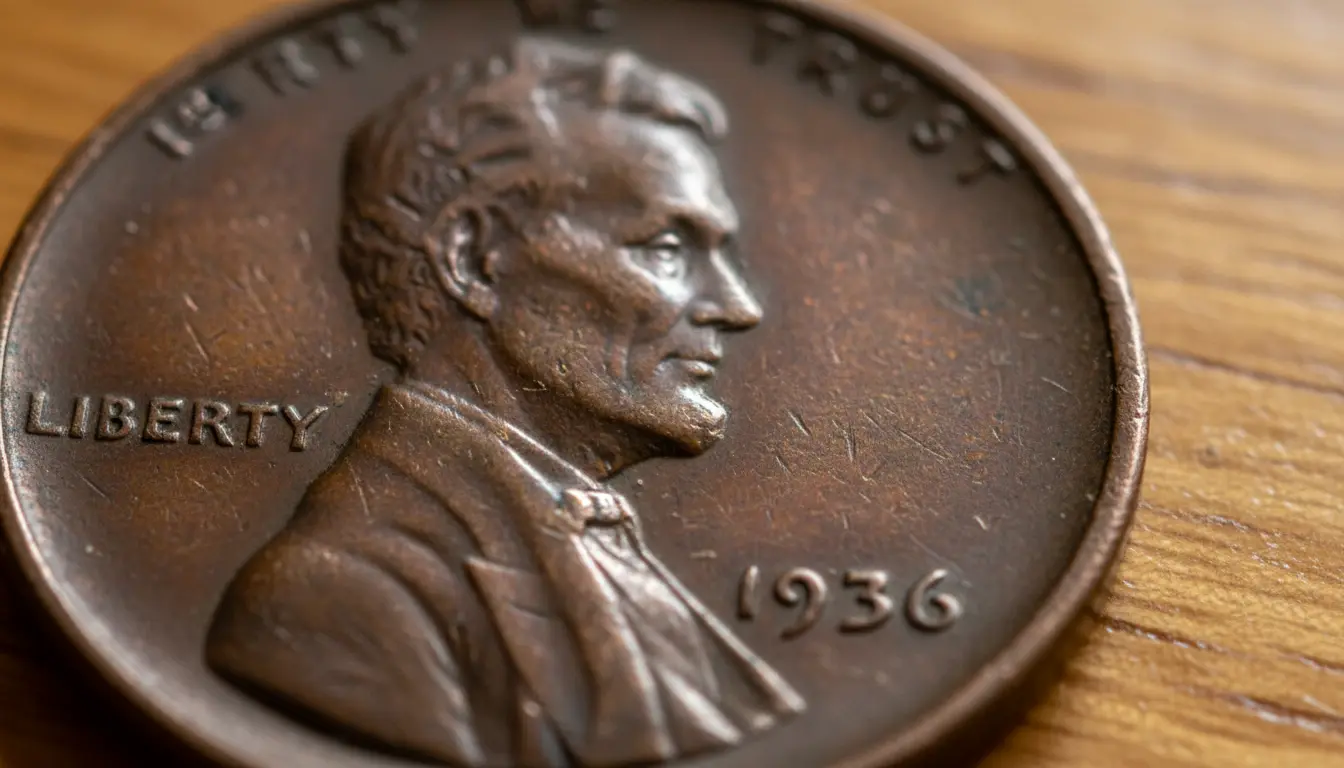
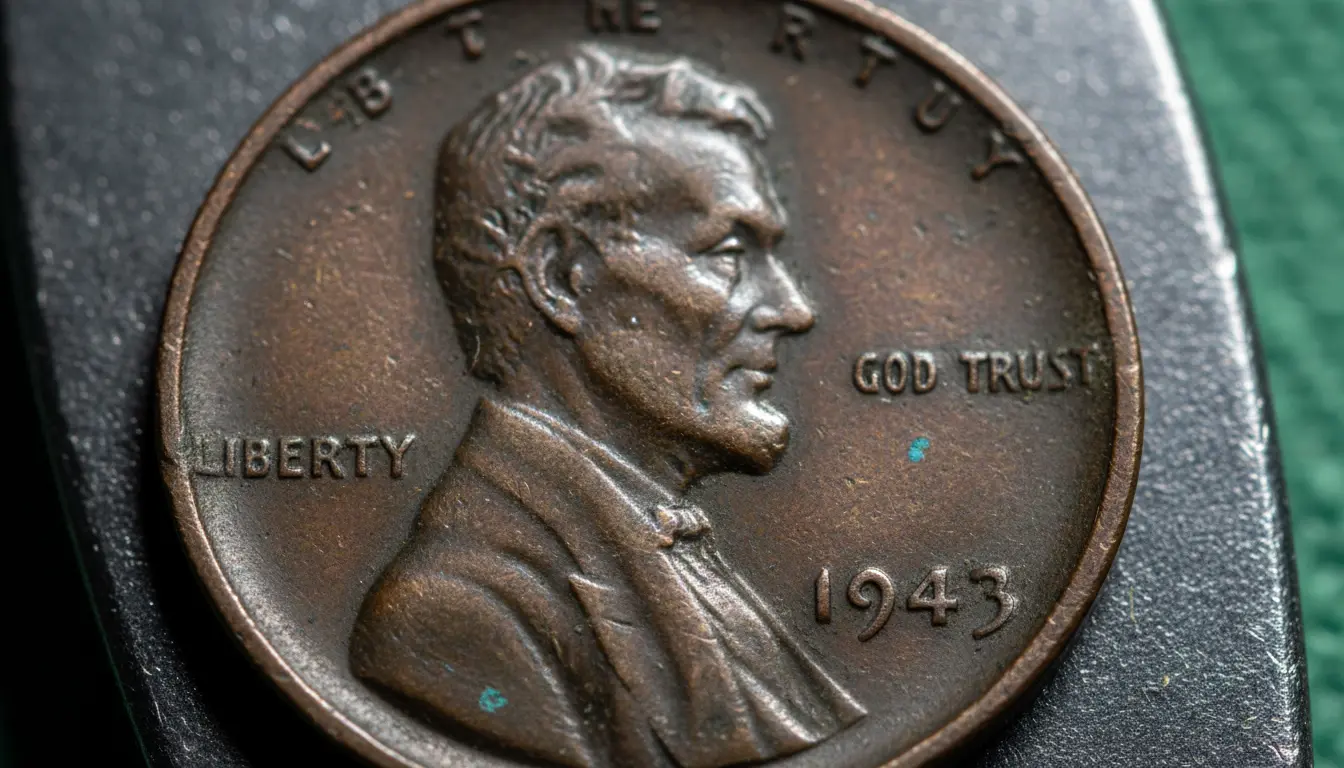
Search visually for a brown or reddish cent with the date 1943. The steel cent looks silver-gray and is magnetic; copper cents will look bronze and are not magnetic.
Tools to Carry for the Hunt
- Magnifying loupe (10x) to inspect date and details.
- Small strong magnet to check for steel planchets.
- Digital scale (optional) to weigh suspect cents.
- Gloves and coin flips for handling.
How to Verify a 1943 Copper Lincoln Wheat Penny
Initial checks are simple and non-destructive. Start with these basic tests before paying for professional services.
Magnet Test
Hold a strong magnet to the coin. A 1943 steel cent will be magnetic and will cling to the magnet. A copper or bronze cent will not be magnetic.
Color and Surface
Copper 1943 pennies show a brown, reddish-brown, or dark bronze color. Look for normal wear patterns rather than artificial discoloration. Beware of chemically altered steel coins that are artificially plated or toned.
Weight Test
Authentic bronze/ copper cents weigh about 3.11 grams. Steel cents weigh about 2.7 grams. A small digital scale can reveal a significant weight difference.
Edge and Rim Inspection
Examine the edge and rim under magnification. A genuine bronze planchet edge will not show underlying plated steel. Look for flaking or seams that indicate plating.
When to Seek Professional Authentication
If your tests suggest a genuine 1943 copper Lincoln Wheat penny, get professional authentication and grading. Reputable third-party grading services include PCGS and NGC.
Authentication steps typically include visual inspection, metal analysis, and provenance research. Certification greatly increases market trust and helps obtain top auction results.
Preparing a Coin for Grading
- Handle with clean gloves and place the coin in an inert holder or flip.
- Document where and how the coin was found, including photos and receipts.
- Use a professional dealer or auction house if you plan to sell after grading.
Common Scams and Pitfalls
Be aware of common alterations that fake a 1943 copper cent. Plating a 1943 steel cent with copper or chemical treatments to change color are frequent scams.
Other problems include forged dates, swapped planchets, and misleading provenance. Always corroborate multiple tests and prefer laboratory authentication.
Only a very small number of copper 1943 cents are known to exist. Their rarity is why experts require strict authentication before assigning high market values.
Valuing and Selling a 1943 Copper Lincoln Wheat Penny
Values depend on authenticity, grade, and provenance. Professionally graded examples with clear provenance command the highest prices at auction.
If you plan to sell, consider using a major auction house or a trusted dealer who specializes in rare US coins. Expect fees and consignment terms to apply.
Checklist Before Selling
- Obtain third-party certification (PCGS or NGC).
- Collect documentation and chain-of-custody details.
- Research recent comparable sales to set realistic expectations.
Small Case Study
A local collector found a 1943 cent in a roll of mixed change and noticed its brown color. After the magnet test showed no attraction, the collector took the coin to a reputable dealer.
The dealer recommended grading. The coin, after careful analysis, was submitted to a third-party grading service and returned certified as a copper 1943 cent at a collector grade. The owner later consigned the coin to auction through a major house.
This short example shows the typical path from discovery to certification and sale. It underlines the value of professional verification and careful documentation.
Final Practical Tips for the 1943 Copper Lincoln Wheat Penny Hunt
- Search widely and often. Many finds come from persistence rather than luck.
- Keep basic testing tools on hand: magnet, loupe, and scale.
- Document any find immediately with photos and written notes.
- Use trusted authentication services before buying, selling, or publicizing a find.
Hunting for a 1943 copper Lincoln Wheat penny is a task combining careful observation, simple tests, and the right professional support. Follow these practical steps to protect your find and maximize its value.