The claim that a rare Bicentennial quarter is worth $2.2 billion has circulated online. This article explains what that claim means, how to check a Bicentennial quarter for rare features, and practical steps collectors and everyday people can take if they find a suspicious coin.
What Is the Rare Bicentennial Quarter?
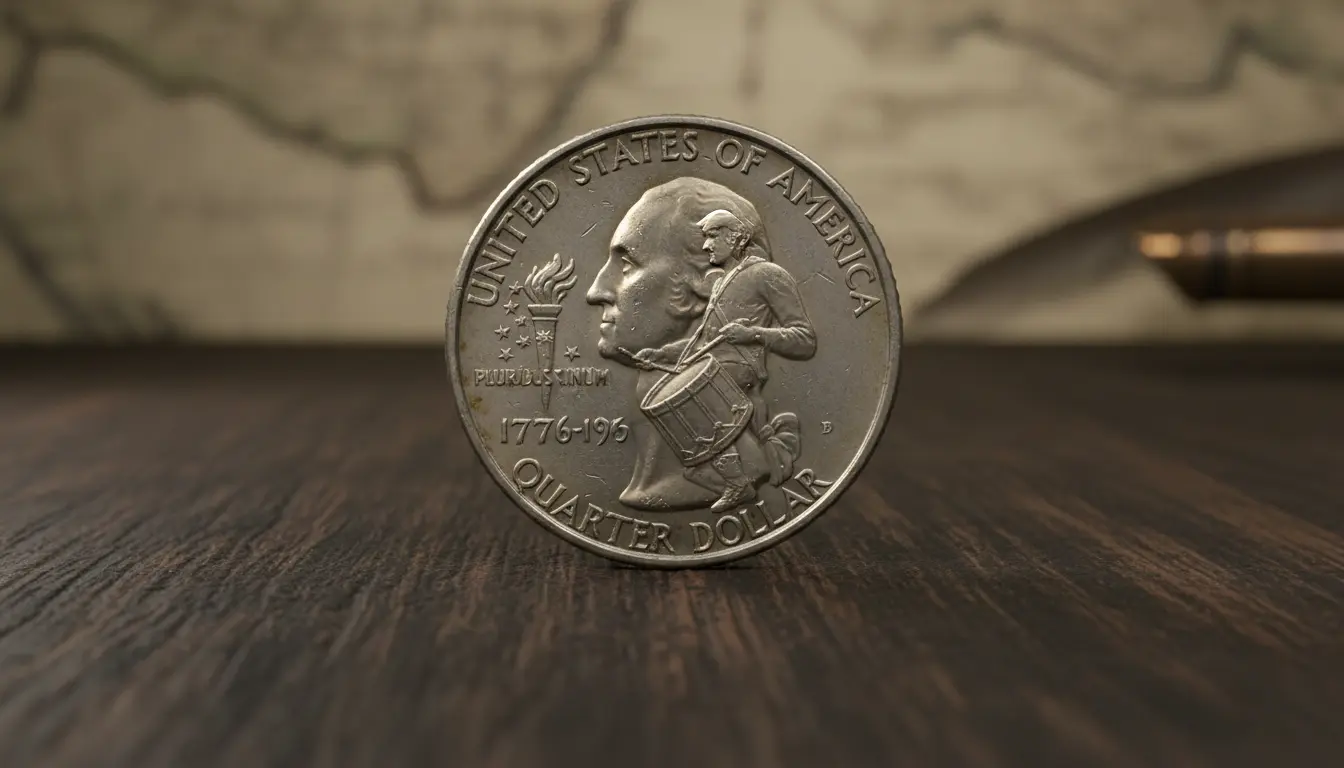
“Bicentennial quarter” usually refers to U.S. quarters minted for 1976 celebrating the United States Bicentennial. These coins display the dual date 1776–1976 and a special reverse design with a colonial drummer.
Most Bicentennial quarters are common and worth face value or a small premium in uncirculated condition. The term “rare Bicentennial quarter” applies to specific error coins or unusually well-preserved pieces with certified high grades.
Why the Rare Bicentennial Quarter Is in Headlines
Headline claims of a $2.2 billion value are sensational and generally not supported by auction records or accepted price guides. Such figures most often arise from internet hoaxes, misunderstandings, or extreme hypothetical valuations, not from verified sales.
That said, some Bicentennial quarters with dramatic minting errors or perfect mint-state grades can be worth significantly more than face value. The real-world high-end values are in the hundreds to low thousands of dollars range for most known, authentic rarities.
How to Identify a Rare Bicentennial Quarter
Identifying a potentially valuable Bicentennial quarter requires close visual inspection and, often, professional grading. Start with these checks:
- Look for clear 1776–1976 dual date and the drummer reverse design.
- Check for mint errors: double die, off-center strikes, missing layers, or wrong-metal planchets.
- Examine the coin’s edges for unusual reeding or mismatches.
- Note the mint mark area (if present) for anomalies or repunched mint marks.
Use a magnifier (10x loupe) and good light. Photograph both sides clearly and compare with reference images from reputable numismatic sources.
Common Valuable Error Types for Bicentennial Quarters
- Double die obverse or reverse
- Off-center strikes exceeding 10%
- Wrong planchet compositions (e.g., silver-clad vs. copper-nickel in error)
- Die breaks that produce large, distinct features
How to Verify a High-Value Claim
If someone tells you a Bicentennial quarter is worth $2.2 billion, treat the claim skeptically. Follow these verification steps:
- Search auction results from major houses (Heritage, Stack’s Bowers) for similar coins and realized prices.
- Check price guides like PCGS and NGC for documented values and population reports.
- Have the coin graded by a major third-party service (PCGS, NGC, or ANACS) to confirm authenticity and grade.
- Consult experienced dealers or a local coin club for a second opinion before accepting any offer.
Grading and certification are crucial. An uncertified coin with a wild valuation claim has low credibility in numismatic markets.
Most Bicentennial quarters were produced in the tens of millions at multiple mints. True high-value coins usually come from clear minting errors or near-perfect conservation grades confirmed by professional grading services.
How to Protect and Preserve a Valuable Bicentennial Quarter
Handling and storage affect a coin’s value. Follow these practical steps to protect a found or inherited Bicentennial quarter:
- Handle by the edges only, using cotton gloves if possible.
- Do not clean the coin with chemicals or abrasives; cleaning usually reduces value.
- Place the coin in a soft flip or inert plastic holder for short-term protection.
- Consider professional encapsulation after authentication and grading.
Where to Get a Coin Graded
Use reputable third-party services. Submit photos first and follow submission rules. Expect grading turnaround time and fees, which vary by declared value and service level.
How to Sell a Rare Bicentennial Quarter
If a coin is certified and genuinely rare, you have several selling options. Choose based on expected value and your comfort level.
- Auction houses: Best for high-value coins; they reach serious collectors but charge commissions.
- Specialist dealers: Useful for quicker sales; look for dealers who specialize in modern error coins.
- Online marketplaces: Easier but riskier; use insured shipping and clear return policies.
Get multiple opinions and written offers. If the claimed $2.2 billion price appears, request documented evidence of how that figure was derived and recent comparable sales.
Real-World Example
Case study: A hobbyist checking pocket change found a Bicentennial quarter with an unusual flattened area on the drummer. They photographed the coin and posted it to an online numismatic forum.
After community input, the owner submitted the coin to a major grading service. The service confirmed a significant die break error and graded the coin. The owner later sold the certified piece through a specialist auction for several thousand dollars, illustrating the value of verification and proper grading.
Summary: Practical Steps If You Find a Rare Bicentennial Quarter
- Stay calm and avoid accepting wild offers without evidence.
- Inspect the coin carefully with good magnification and light.
- Photograph both sides and compare with trusted references.
- Seek third-party grading and multiple expert opinions.
- Use reputable channels to sell and insure any shipment.
While the idea of a single quarter being worth $2.2 billion is effectively impossible under current market conditions, authentic Bicentennial error coins can have real value. Proper identification, certification, and careful selling practices maximize your chances of a fair outcome.