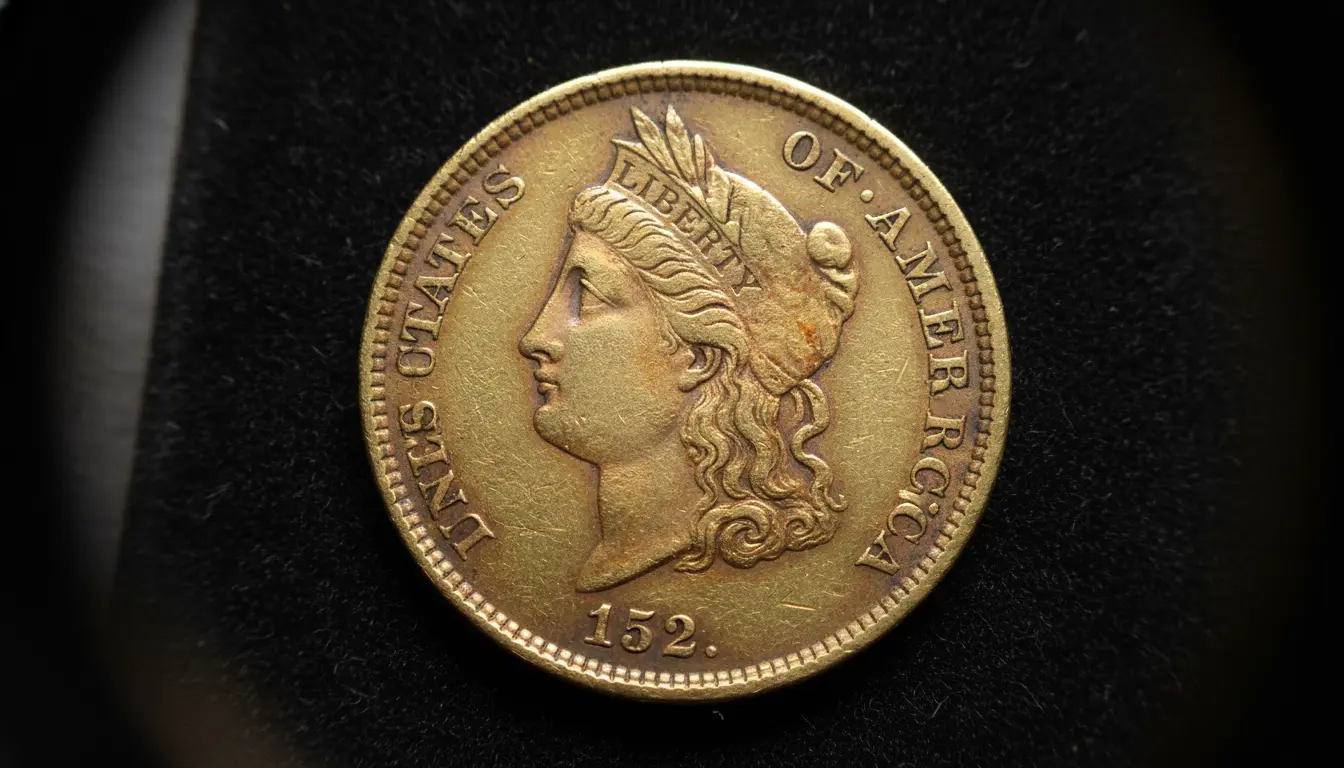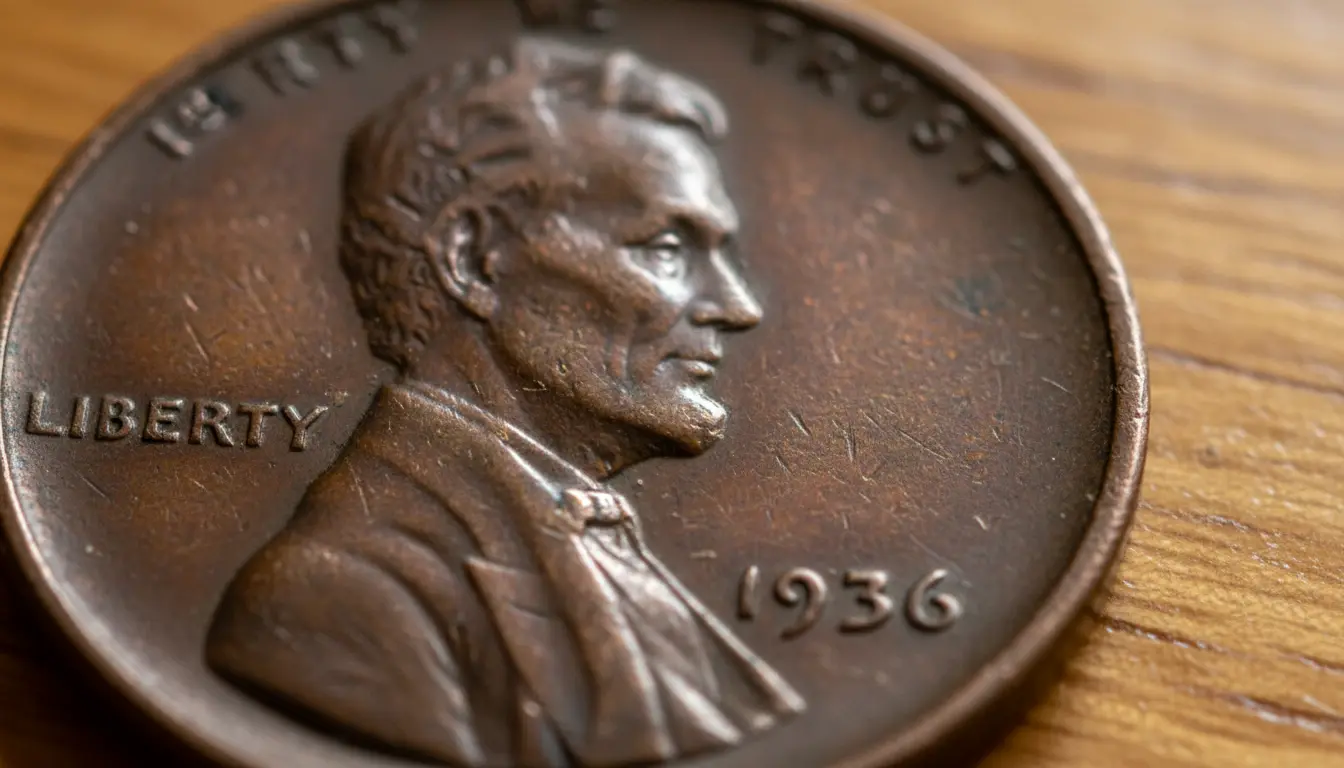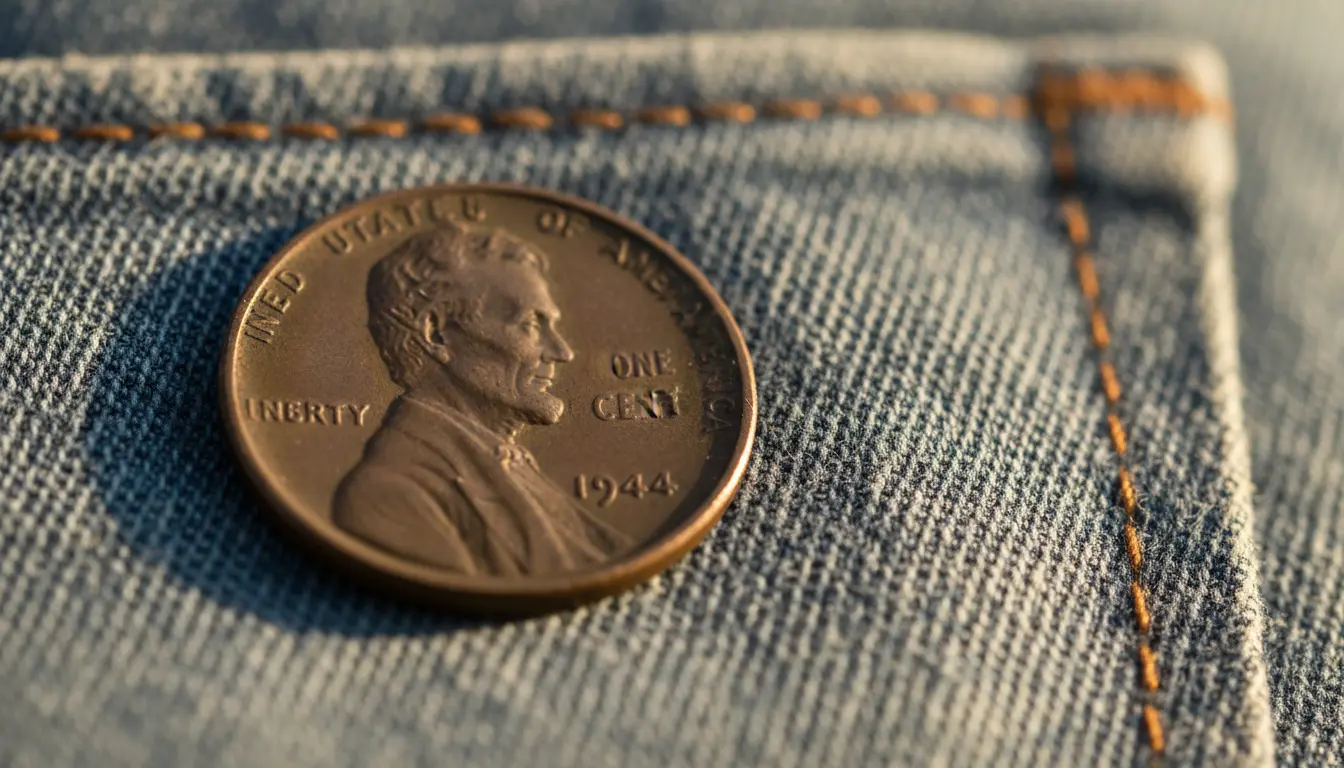
Understanding the $1.9 Billion Claim About a Lincoln Wheat Penny
Headlines or social posts claiming a Lincoln Wheat penny might be worth $1.9 billion are almost always exaggerated. Such figures are extremely unlikely because coin markets price on documented rarity, provenance, and verified sales.
That said, genuine surprises do happen in numismatics. Knowing what to look for will help you separate viral hype from a real discovery and take the right steps if you find a potentially valuable coin.
What Makes a Lincoln Wheat Penny Valuable?
Value depends on several objective factors: rarity, mint error or variety, historical significance, and condition (grade). For wheat pennies, collectors watch for:
- Off-metal strikes (e.g., bronze vs. steel planchets)
- Major doubling on obverse or reverse (doubled die)
- Low-mintage years and mint marks (especially mint-mark errors)
- Exceptional condition or proof strikes
Common high-value wheat penny types
Among Lincoln Wheat pennies (1909–1958), well-known valuable types include the 1909-S VDB, 1914-D, and 1955 doubled die obverse. Off-metal errors such as a 1943 bronze on a date meant for steel are also highly prized.
Even these, however, usually sell in the high five to low seven-figure range at best, not billions.
How to Check a Penny Without Damaging It
If you suspect a valuable wheat penny, handle it carefully. Improper cleaning or handling can destroy value.
- Hold edges only; avoid touching faces of the coin.
- Do not clean, polish, or scrub the coin.
- Use a magnifying glass or jeweler’s loupe (10x) to inspect details.
- Photograph the coin clearly from both sides for records.
Simple identification steps
Look for these clear signs of interest:
- Date and mint mark legibility (e.g., 1909 S, 1914 D)
- Obvious doubling of letters or date (for doubled dies)
- Metal color inconsistent with the year (e.g., copper color in a 1943 date)
- Raised or misaligned features that indicate a mint error
When to Get Professional Authentication
If initial inspection suggests a rare variety or off-metal error, seek professional authentication. Grading services such as PCGS or NGC provide certification that buyers trust.
Authentication steps:
- Document photos and notes about how and where you found the coin.
- Contact a reputable dealer or coin shop for an initial opinion.
- Submit the coin to an accepted third-party grading service for certification.
Realistic Expectation: Could It Be $1.9 Billion?
Markets do not support nine-figure prices for a single Lincoln Wheat penny. Auction records and private-sale databases show high-end wheat pennies can reach hundreds of thousands to low millions in extraordinary cases, but not $1.9 billion.
Claims of billion-dollar coins are usually misunderstandings, hypothetical appraisals, or attention-grabbing headlines. Evaluate any such claim critically and rely on certified comparables from auction houses and grading services.
Where to Sell or Get a Valuation
If your coin is authenticated and graded, these are typical sale channels:
- Major auction houses (heritage, stack’s bowers) for high-value coins
- Reputable coin dealers and brokered private sales
- Coin shows with established buyers for smaller sales
Expect fees such as auction buyer’s premiums, grading submissions, and dealer commissions. Factor these into net proceeds.
Common Scams and How to Avoid Them
Scammers often promise outrageous payouts or offer to buy immediately at a suspiciously low price with complicated contracts.
To protect yourself:
- Insist on third-party certification before finalizing large transactions.
- Get multiple written appraisals from trusted sources.
- Do not wire money or accept upfront offers without escrow or an established auction house.
Lincoln Wheat pennies were produced from 1909 to 1958. The reverse design features two wheat stalks and was replaced by the Lincoln Memorial reverse in 1959.
Short Case Study: A High-Value Off-Metal Find
In documented cases, collectors have found off-metal 1943 Lincoln cents (intended as steel) struck on bronze planchets. These pieces are rare because most 1943 cents were made on steel with zinc coating.
After careful authentication by a grading service, examples of 1943 bronze cents have sold at auction for sums in the high five or low seven figures. The key steps that preserved value were careful handling, professional grading, and sale through a reputable auction house.
Practical Takeaways If You Think You Found a Valuable Penny
- Do not clean or alter the coin.
- Document how and where you found it with photos and notes.
- Get opinions from reputable dealers, then submit to PCGS/NGC for grading.
- Use an established auction house or certified dealer for large sales.
In short, a Lincoln Wheat penny worth $1.9 billion is virtually impossible based on known numismatic markets, but rare, highly valuable pennies do exist. If you think you may have one, protect the coin, seek professional authentication, and rely on documented auction results to understand true value.