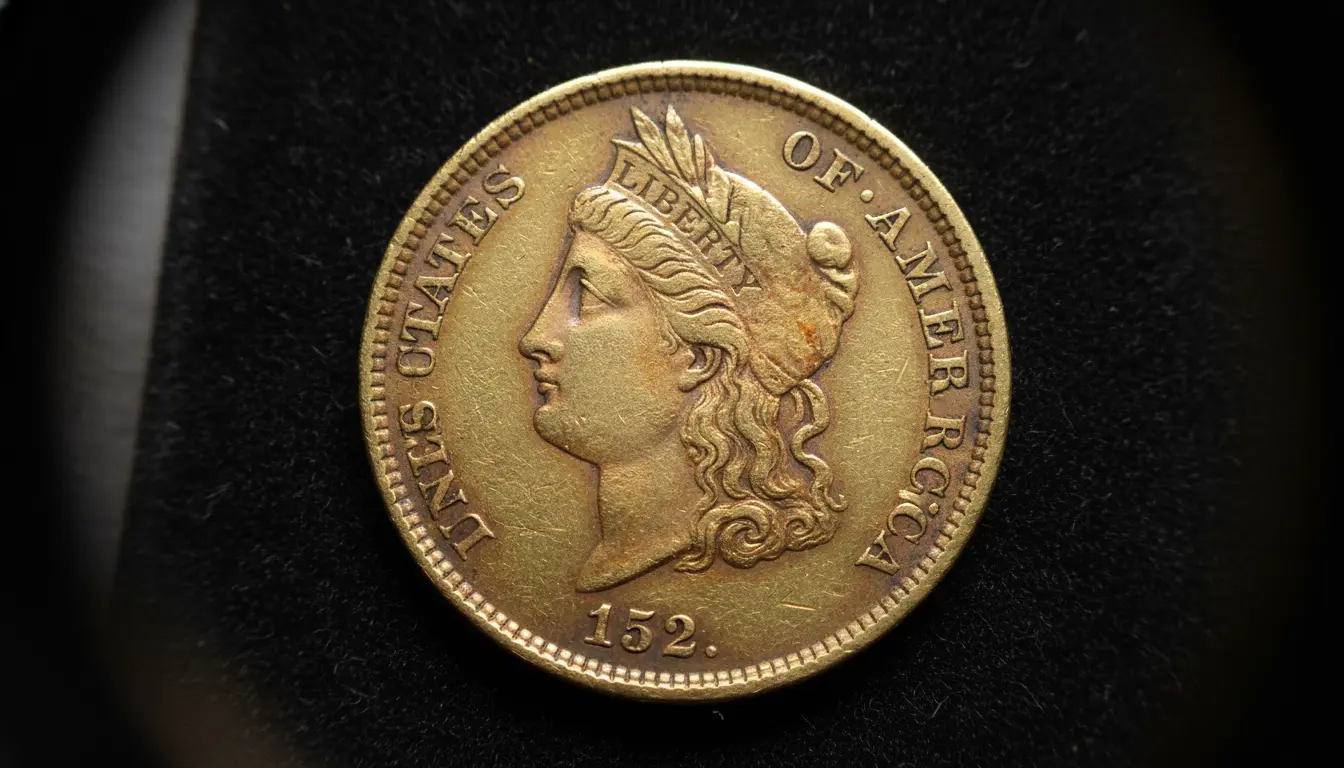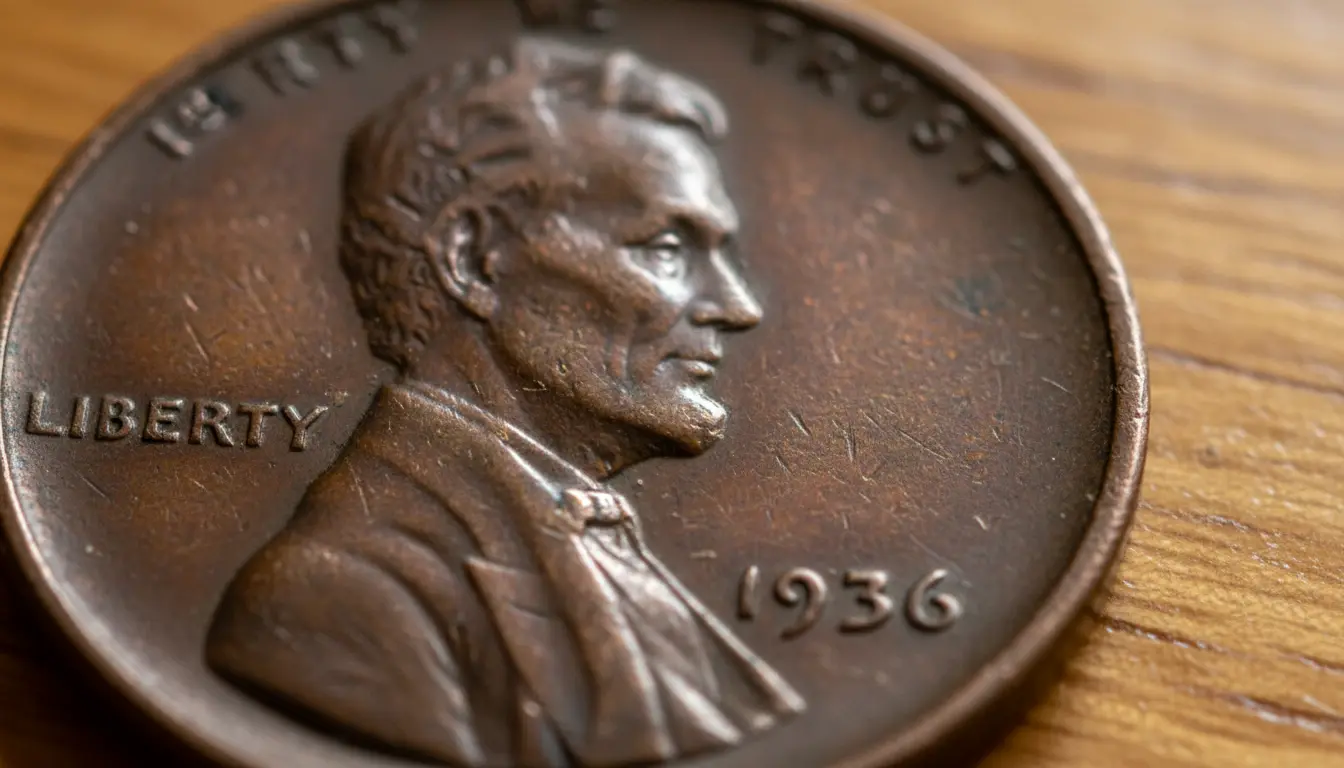
Many rare Lincoln pennies still turn up in everyday change. With a basic eye for date, mint mark, and errors, you can find coins worth far more than face value.
Why Lincoln Pennies Can Be Valuable
Lincoln cents have been produced since 1909, giving collectors many varieties and error types to hunt. Some dates and mistakes are rare because of low mintage or production quirks.
Value depends on scarcity, condition, and collector demand. Even worn coins can be valuable if they are a key date or a true error.
How to Identify Valuable Lincoln Pennies
Start with a careful visual inspection and a magnet test for 1943 cents. Use a loupe or strong magnifier to inspect small details like doubling and mint marks.
- Check the date and mint mark (S = San Francisco, D = Denver, none = Philadelphia).
- Look for doubled die obverse or reverse: letters and numbers appear doubled.
- Assess color and weight: copper looks reddish-brown; steel cents are silver-gray and magnetic.
- Compare to reference photos from trusted numismatic sources before assuming rarity.
Essential Tools for Checking Lincoln Pennies
A loupe (10x), a small precision scale (grams), a magnet, and access to a coin reference guide are enough to begin. Keep coins flat and clean them only when advised by an expert.
Key Lincoln Penny Varieties to Watch For
This list highlights high-value Lincoln pennies that can still appear in circulation. Learn the features that make each one collectible.
1909-S VDB
One of the most famous. Look for the initials VDB on the reverse at the base of the wreath and the San Francisco “S” mint mark. These were low in mintage and often command high prices in good condition.
1914-D
Produced in Denver in limited numbers, the 1914-D Lincoln cent is a key date. Even circulated examples are sought after, and higher-grade specimens are rare and valuable.
1922 No D (Plain)
Some 1922 cents from the Denver mint struck on improperly prepared planchets lack a visible “D” mint mark. These are scarce and worth examining closely for diagnostics like weak or incuse letters.
1931-S
The 1931-S Lincoln cent had a low mintage and is another date to watch. Condition matters; uncirculated examples are especially prized.
1955 Double Die Obverse
This error shows very noticeable doubling on the date and inscriptions on the obverse. It’s one of the most frequently found high-value errors in mid-20th-century cents.
1943 Copper Cents
In 1943 most pennies were struck in zinc-coated steel because copper was reserved for wartime needs. A few 1943 cents were mistakenly struck on copper planchets and are extremely valuable.
Practical Steps to Check Your Pocket Change
Use this quick routine when you have time to sort coins. It minimizes damage and helps spot potential rarities.
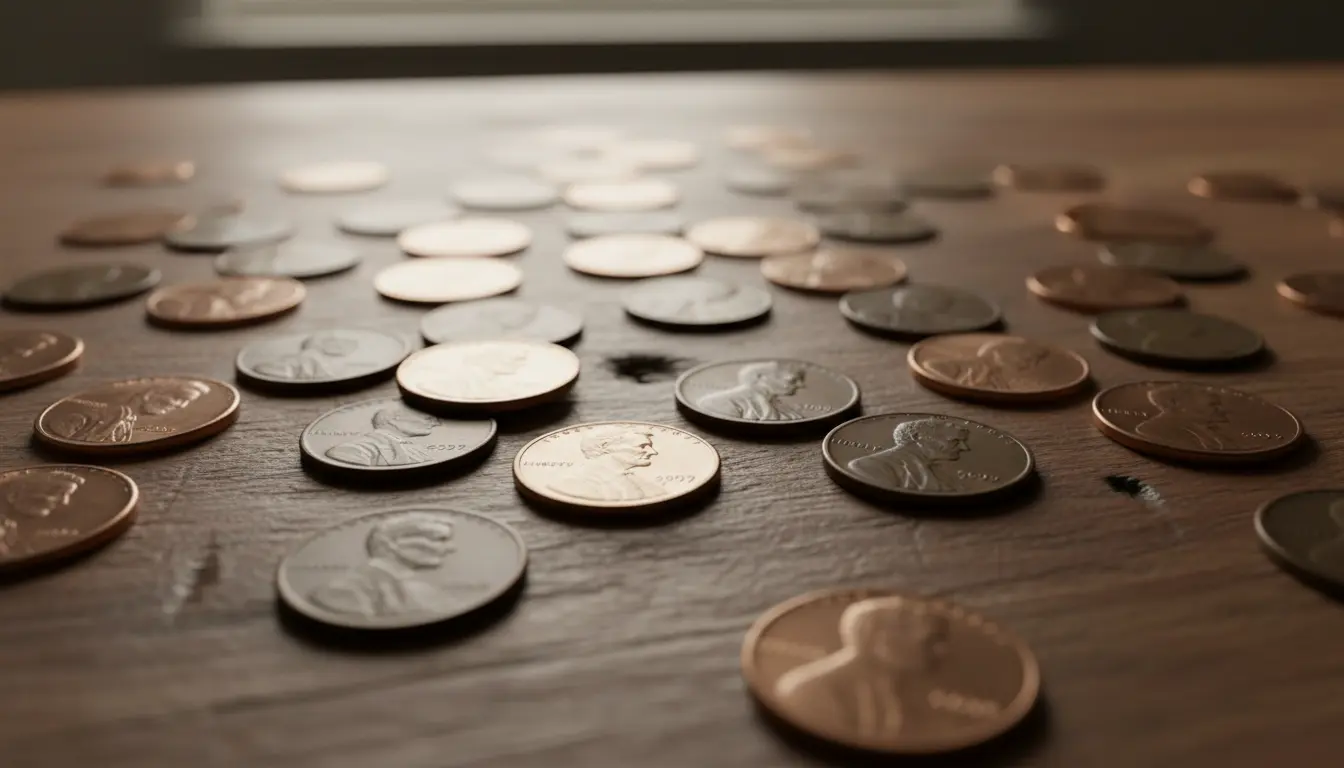
- Spread coins under good light and group by color and date.
- Use a magnet on 1943-dated cents to rule out common steel pieces.
- Inspect suspect coins with a loupe for doubling, misprints, or unusual features.
- Weigh coins that look different; copper and steel have distinct weights.
- Document any finds with clear photos before consulting an expert.
How Condition Affects Value
Coin grade ranges from Good (worn) to Mint State (uncirculated). Higher-grade coins command much higher prices, especially for key dates and errors.
Even so, some error coins or extremely rare dates are valuable in lower grades. Always compare both date rarity and condition when estimating value.
A 1943 copper Lincoln cent discovered in circulation sold for over one million dollars at auction. True mistakes from wartime production are among the most valuable finds.
What to Do If You Find a Valuable Lincoln Penny
Don’t clean or file the coin. Cleaning can destroy collector value. Keep the coin protected in a flip or soft holder and photograph both sides under good light.
Get a professional opinion from a reputable coin dealer or a third-party grading service if the coin appears to be a key date or major error.
Case Study: A Grocery Store Find
A collector named Maria noticed a strangely thick 1955 penny at the register and kept it. She later inspected it with a loupe and saw clear doubling on the date and lettering.
After getting the coin authenticated and graded, Maria sold the certified 1955 doubled die for several thousand dollars. The sale covered the cost of supplies and a beginner’s reference library, and turned a 1-cent spend into a meaningful profit.
Quick Checklist Before Selling
- Authenticate with a trusted dealer or third-party grading service.
- Keep original photos and handling history.
- Compare recent auction results for similar grade and variety.
- Consider consignment or specialist auctions for very high-value items.
Finding a valuable Lincoln penny in pocket change is a realistic possibility with basic knowledge and tools. Learn the key dates and errors, inspect coins carefully, and get professional help for any promising finds.