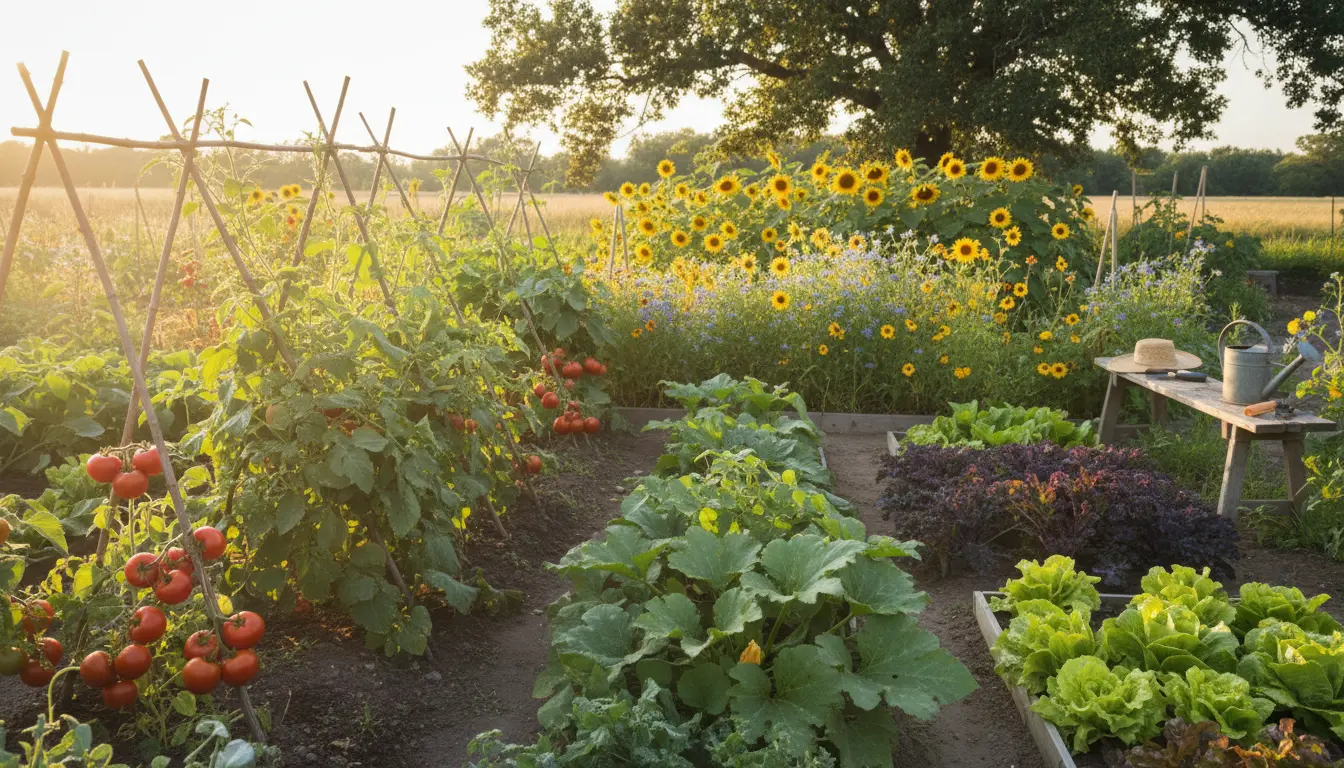
Why Start a Vegetable Garden
Starting a vegetable garden gives you fresh produce, exercise, and control over how your food is grown. It can save money and reduce trips to the store when planned well.
This guide gives practical steps for beginners. Follow the sequence: plan, prepare soil, choose plants, plant, and maintain.
Plan Your Vegetable Garden
Successful gardens begin with a simple plan. Decide location, size, and what you want to grow before buying seeds or tools.
- Location: Pick a spot with at least 6 hours of sunlight daily for most vegetables.
- Size: Start small, such as a 4×8 foot raised bed or a few containers, to keep maintenance manageable.
- Access: Ensure water is nearby and paths are clear for tending plants.
Choose Vegetables for Your Climate
Select plants that match your growing zone and season. Check local frost dates and choose reliable varieties for beginners.
- Cool-season crops: lettuce, spinach, peas.
- Warm-season crops: tomatoes, peppers, cucumbers.
- Easy starters: radishes, bush beans, cherry tomatoes.
Prepare Soil to Start a Vegetable Garden
Good soil is the most important factor for a productive vegetable garden. Healthy soil holds water, drains well, and supplies nutrients to plants.
Test the soil pH and texture if possible. Most vegetables prefer a pH between 6.0 and 7.0.
Improve Soil Quickly
Use these steps to improve or create garden soil:
- Add organic matter: compost or well-rotted manure at a rate of 2–3 inches mixed into the top 6–8 inches.
- Loosen compacted soil with a fork or broadfork to improve drainage and root penetration.
- Apply a balanced slow-release fertilizer if a soil test shows nutrient deficiencies.
Planting Basics to Start a Vegetable Garden
Follow spacing and depth recommendations on seed packets or plant tags. Overcrowding reduces yield and increases disease risk.
Water newly planted seeds and transplants gently but thoroughly to settle soil around roots.
Timing and Succession Planting
Plant at the right time for each crop. Use succession planting to keep a steady harvest:
- Plant lettuce every 2–3 weeks for continuous leaves.
- After harvesting early radishes, replace the space with another crop like bush beans.
Watering and Mulching
Consistent watering is critical. Aim for deep, infrequent watering rather than frequent shallow sprinkles.
Mulch conserves moisture, suppresses weeds, and moderates soil temperature.
- Watering tip: 1–1.5 inches of water per week, more in hot weather.
- Mulch options: straw, shredded leaves, or wood chips for paths. Keep mulch 1–2 inches from plant stems.
Pest and Disease Management
Use preventive measures first: clean tools, crop rotation, and healthy plants from good soil. Monitor regularly for early signs of problems.
Nonchemical options include handpicking pests, using row covers, and encouraging beneficial insects like ladybugs.
When to Use Treatments
Apply targeted organic treatments if damage becomes significant. Use insecticidal soap for soft-bodied insects and copper fungicide for certain leaf diseases when required.
Maintenance and Harvesting
Regular maintenance keeps your garden productive. Remove weeds, check for pests, and harvest at peak ripeness.
- Prune indeterminate tomatoes to improve airflow and fruit size.
- Harvest leafy greens when outer leaves reach usable size.
- Pick peppers and cucumbers regularly to encourage new fruiting.
Record Keeping
Keep a simple garden journal: planting dates, varieties, problems, and harvest amounts. Notes make improvements easier the next season.
Adding a thin layer of finished compost each year feeds plants and improves soil structure. You can often make usable compost in 3 to 6 months with regular turning and diverse materials.
Small Real World Example
Case study: A beginner in Chicago started a 4×8 raised bed in May. They chose cherry tomatoes, basil, lettuce, and bush beans.
They improved soil with 3 inches of compost, mulched with straw, and watered deeply twice weekly. By August they harvested weekly salads and tomatoes into October.
- Key wins: regular harvest, fewer pests, higher flavor than store-bought.
- Adjustments: added shade cloth for a heat wave and added a trellis for beans.
Quick Checklist to Start a Vegetable Garden
- Choose a sunny location and start small.
- Test and improve soil with compost.
- Select climate-appropriate varieties and stagger plantings.
- Water deeply, mulch, and monitor pests.
- Keep records and adjust practices each season.
Final Tips for New Gardeners
Be patient and expect some trial and error. Start with a few reliable crops and expand as you build confidence.
Connect with local gardening groups or extension services for region-specific advice. Local knowledge often saves time and increases success.
With simple planning and regular attention you can start a vegetable garden that provides fresh food and rewarding work. Begin with one small bed or several containers and grow from there.