Why reduce home energy bills
Lowering energy costs saves money and reduces environmental impact. Small changes often produce noticeable monthly savings without major disruption.
This guide explains practical steps to reduce home energy bills, with quick wins, upgrades, and measurement tips you can apply right away.
Quick wins to reduce home energy bills
Start with simple, low-cost actions that cut waste immediately. These are easy to implement and often pay back within months.
Adjust thermostat settings
Setting your thermostat 2 to 3 degrees lower in winter and higher in summer reduces heating and cooling costs. Use a programmable schedule to avoid heating or cooling empty rooms.
Seal drafts and improve insulation
Caulking gaps around windows and doors prevents heat loss. Add weatherstripping and use door sweeps to block drafts in older homes.
Switch to efficient lighting and appliances
Replace incandescent bulbs with LEDs and choose ENERGY STAR appliances when replacements are needed. LEDs use a fraction of the energy and last longer.
- Replace bulbs with LEDs room by room.
- Run full loads in dishwashers and washing machines.
- Unplug chargers and devices when not in use.
Upgrades that cut home energy bills
Investing in targeted upgrades can deliver larger, sustained savings. Prioritize based on cost, payback time, and your home’s needs.
Install a smart thermostat
Smart thermostats optimize heating and cooling based on occupancy and outside temperatures. They provide usage data that helps reduce unnecessary run time.
Improve HVAC efficiency
Regular HVAC maintenance, filter changes, and duct sealing can restore system efficiency. If your system is older, consider a high-efficiency replacement.
Consider solar panels or heat pumps
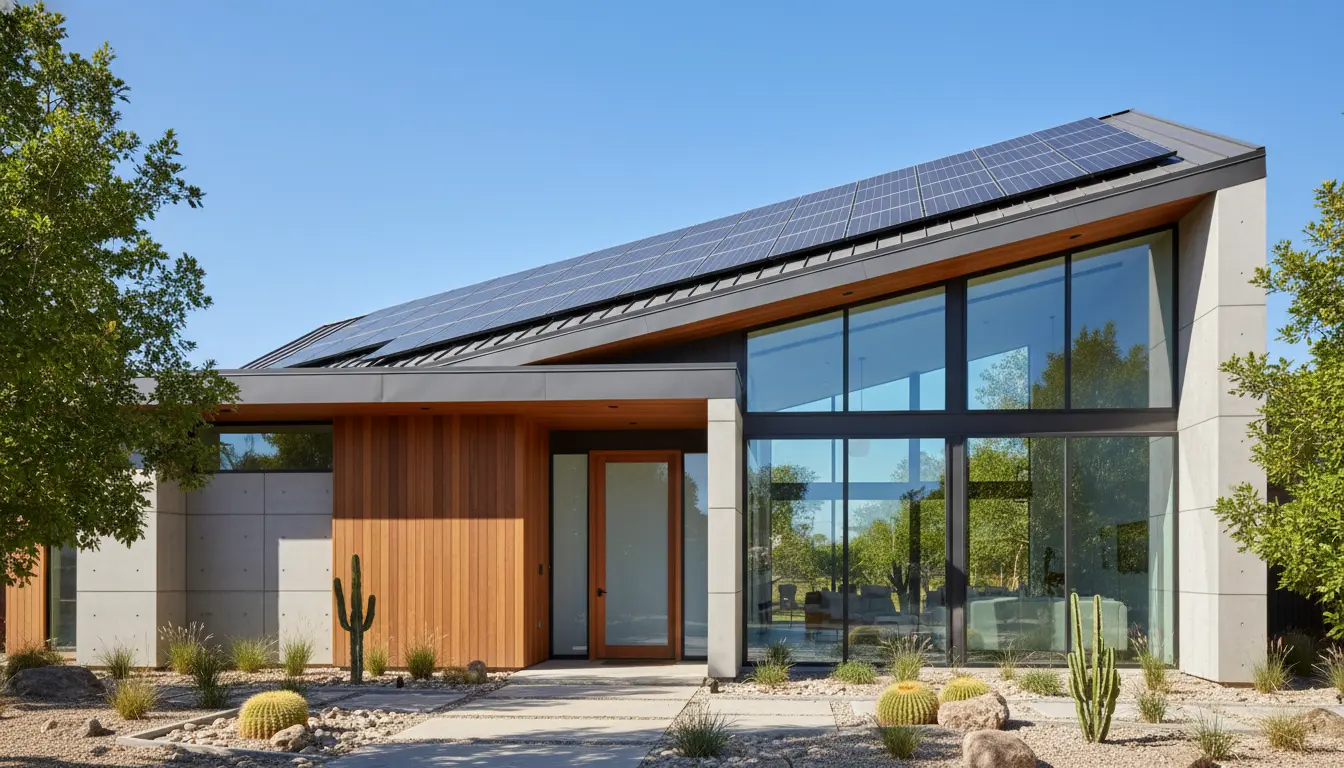
Solar panels reduce grid electricity use and can lower bills long-term, especially with incentives. Heat pumps provide efficient heating and cooling in many climates.
How to track and measure savings
Tracking usage helps confirm which changes work and identifies further opportunities. Use simple tools and a consistent method to measure progress.
Read your meter and compare bills
Record monthly meter readings and compare kilowatt-hour (kWh) use year over year. Look for spikes after specific changes to diagnose problems.
Use energy monitoring tools
Smart plugs, whole-home monitors, and utility apps show real-time consumption. These tools reveal which devices draw the most energy and when they run.
- Track a baseline month before upgrades.
- Record changes and calculate percentage savings.
- Prioritize actions with the best cost-to-savings ratio.
Heating and cooling typically account for nearly half of a household’s energy use. Improving insulation, thermostat habits, and HVAC efficiency can cut overall bills significantly.
Simple behavior changes that matter
Behavioral changes are often the most immediate way to reduce home energy bills. They require no upfront cost and can be maintained long-term.
- Lower water heater temperature to 120°F to save on heating costs.
- Wash clothes in cold water and air-dry when possible.
- Close blinds and curtains in summer to block heat; open them in winter for solar gain.
Case study: Small house cuts bills 30 percent
Household: Two adults in a 1,200 sq ft suburban home. Baseline: $180 monthly electric bill. Actions taken: sealed gaps, added attic insulation, switched 75% of bulbs to LEDs, installed a smart thermostat, and adjusted dryer use.
Result: Within six months, energy use dropped by 30 percent and average monthly bills fell to about $125. The combined upgrades and behavior changes paid back in roughly 3 years when considering local incentives and reduced consumption.
Common pitfalls and how to avoid them
Avoid costly upgrades that do not match your home needs. Assess payback time and check available rebates before major purchases.
- Don’t over-insulate without addressing ventilation needs.
- Choose appliances sized for your household to avoid inefficiency.
- Get multiple quotes for large projects like solar or HVAC replacements.
Next steps to reduce home energy bills
Start with a home energy assessment or a simple walk-through checklist. Implement quick wins first, then plan upgrades based on measured savings and budget.
Track changes monthly and adjust habits as you learn what saves the most energy for your home.
With a mix of low-cost actions and targeted upgrades, reducing home energy bills is achievable and measurable. Begin with one change this week and expand from there.