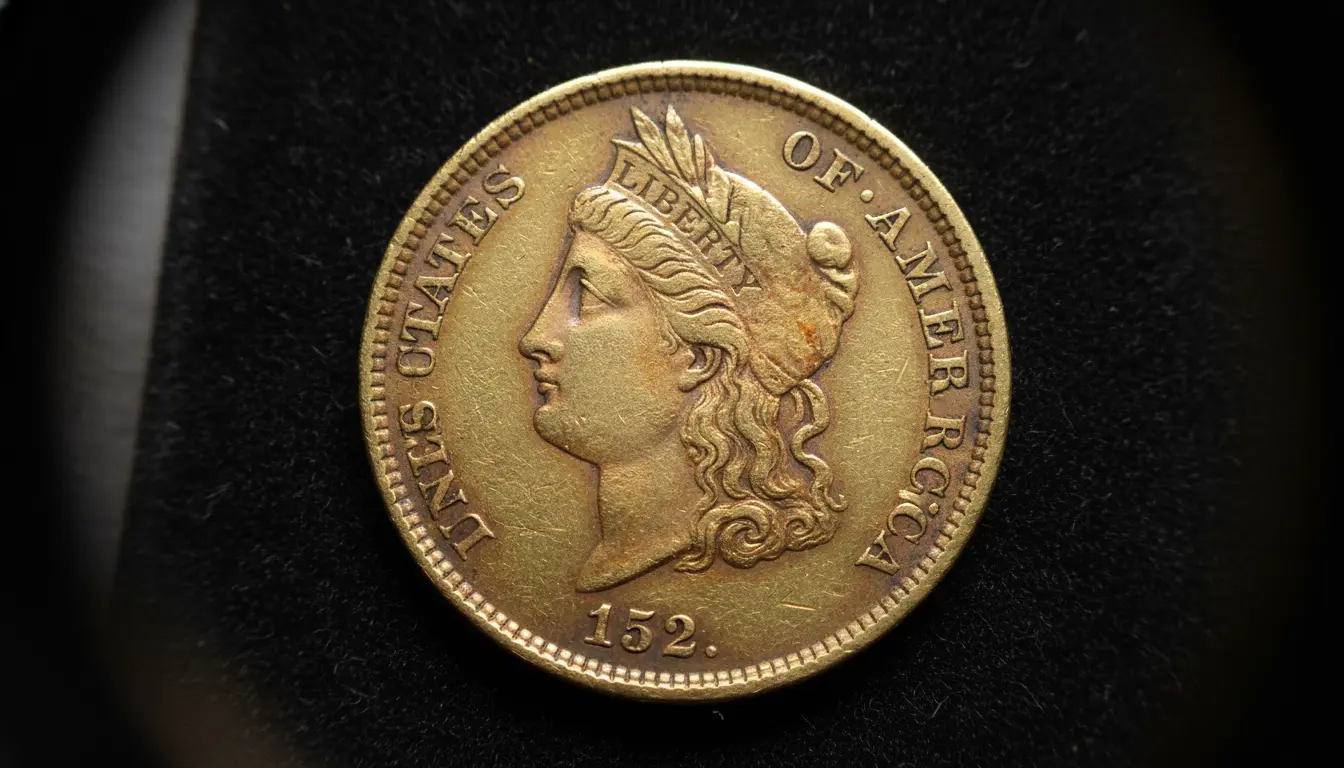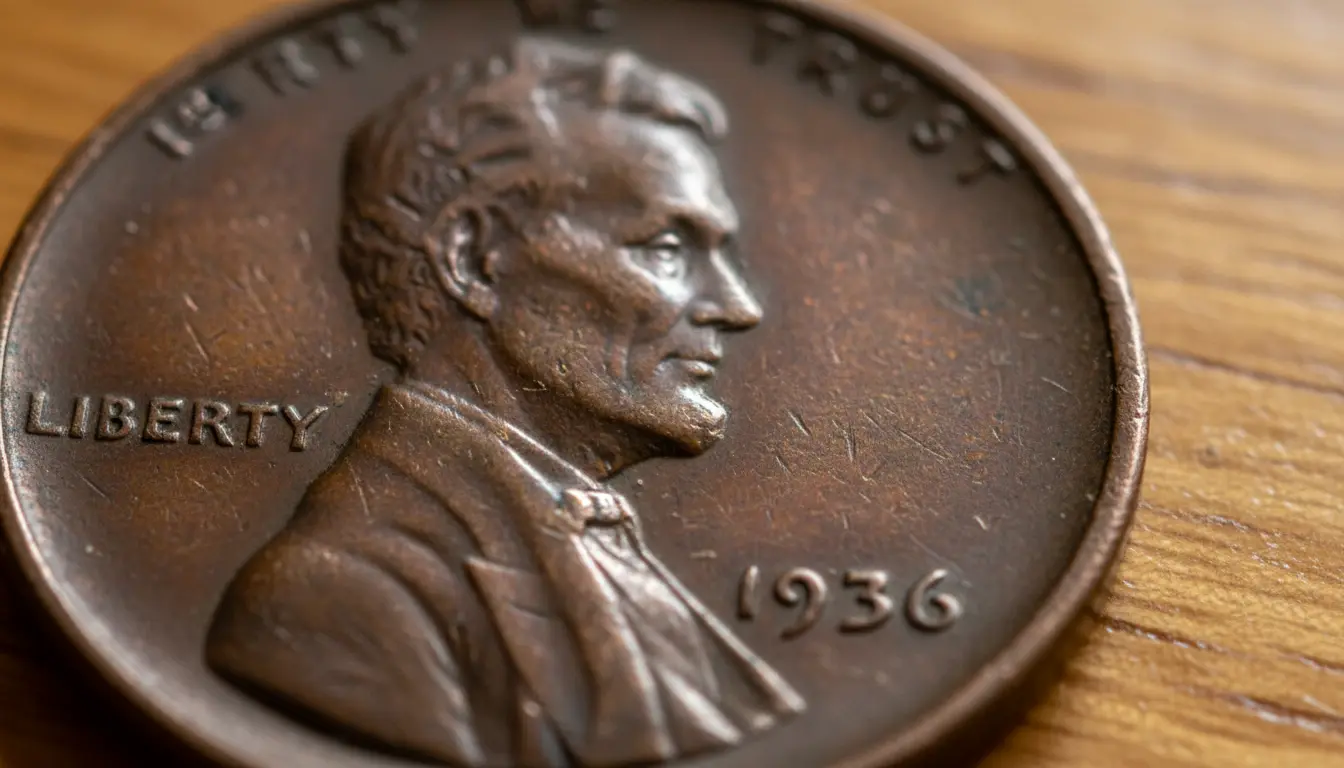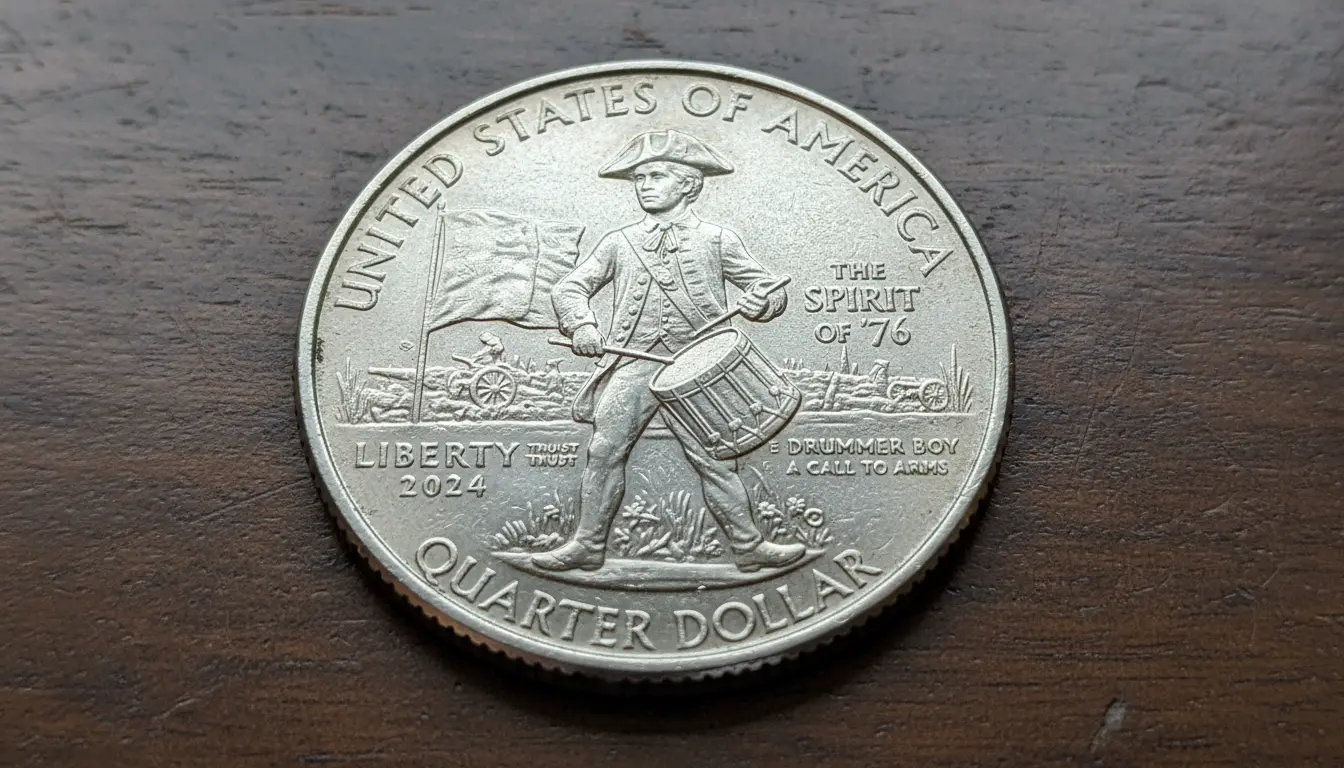
What is the 1976 Drummer Boy Quarter?
The 1976 Drummer Boy quarter refers to the reverse design used on U.S. Bicentennial quarters. The reverse shows a colonial drummer and a torch with 13 stars. Collectors often call it the “Drummer Boy” design when discussing Bicentennial quarters from 1976.
How much is a 1976 Drummer Boy Quarter worth?
Most 1976 Drummer Boy quarters are common and valued at or near face value when found in circulation. Collector and proof versions can be worth more, and certain authentic mint errors or rare silver issues can command substantial prices.
Claims that a random 1976 Drummer Boy quarter is worth millions are usually inaccurate. However, extreme rarities or authenticated unique errors can reach very high prices in specialist auctions. Always verify any extraordinary claim through reputable grading services.
Common high-value varieties and why they matter
Value depends on rarity, condition, and market demand. Look for these categories that can increase value:
- Uncirculated pieces from mint sets and proof coins made for collectors.
- Silver versions produced for special sets rather than standard circulation pieces.
- Mint errors such as double dies, off-center strikes, wrong planchets, or die breaks.
- Authentication and grading by PCGS or NGC can dramatically affect value.
Double die and repunched mint marks
Double die errors show doubled design elements, most visible on lettering or dates. Repunched mint marks (RPM) show overlapping mint letters and can be collectible if clear and dramatic.
Off-center strikes and planchet errors
Off-center strikes where the design is significantly shifted can be valuable depending on how far off-center the coin is. Wrong planchet errors — for example, a coin struck on a planchet intended for a different denomination or composition — are rare and sought after.
Silver proofs and special issues
The U.S. Mint produced silver collector versions and proof coins in 1976. These are usually marked or sold in sets. Silver and proof conditions usually carry premiums over circulation examples.
Step-by-step: How to check your change for the 1976 Drummer Boy Quarter
Follow these practical steps to inspect coins quickly and safely at home.
- Visual scan: Look for the drummer design on the reverse and the date 1976 on the obverse. Check for unusual doubling, missing elements, or off-centering.
- Use a magnifier: A 10x loupe will reveal die doubling, repunching, or hairline die breaks.
- Compare: Use online images from PCGS, NGC, and major auction houses to compare normal and error examples.
- Weigh and measure: Compare weight and diameter to a standard quarter to spot wrong planchets, but do not rely on home scales alone for final authentication.
- Note condition: Uncirculated or proof surfaces without wear are far more valuable than worn coins.
- Photograph clearly: Take sharp images under even light from both sides for reference or to send to a grader.
Authentication and grading
If you think you have a rare 1976 Drummer Boy quarter, do not try to sell it without authentication. Send clear photos to reputable forums first, then consider professional grading.
- Submit to major grading services like PCGS or NGC for a formal grade and encapsulation.
- Get a written appraisal from a certified coin dealer before any high-value sale.
- Be cautious of quick online buyers who offer immediate high sums without verification.
Practical tips when you find a potential rare quarter
Handle coins by the edges and avoid cleaning them, as cleaning can destroy collector value. Store potential finds in coin flips or soft holders until authenticated.
- Do not polish or scrub the coin.
- Use gloves or hold by the rim only.
- Keep a record of where and when you found the coin.
Small real-world example
Example: A casual collector checked a roll of quarters and found a 1976 Drummer Boy quarter with a clear off-center strike. After photographing and submitting images to a coin forum, the collector sent the coin to a major grading service. The authenticated error sold for several hundred dollars at auction, illustrating how condition and verification turn a common coin into a collectible.
How to sell or insure a valuable 1976 Drummer Boy quarter
Get the coin graded before trying to sell. Auctions, specialty dealers, and major online marketplaces offer routes to sell, but choose a reputable channel.
For insurance, include photos and grading certificates in your documentation. High-value single coins may require specialized insurance or rider coverage.
Summary and next steps
Most 1976 Drummer Boy quarters are common and worth face value. Look for mint errors, silver proofs, and uncirculated pieces to find true value. Use a magnifier, compare to reference images, and get professional grading if you suspect an uncommon variety.
If you find a 1976 drummer boy quarter that looks unusual, photograph it, keep it safe, and contact a reputable grading service or dealer for authentication. That is the best path to determine if your coin could be worth more than its face value.