What Is the Bicentennial Quarter?
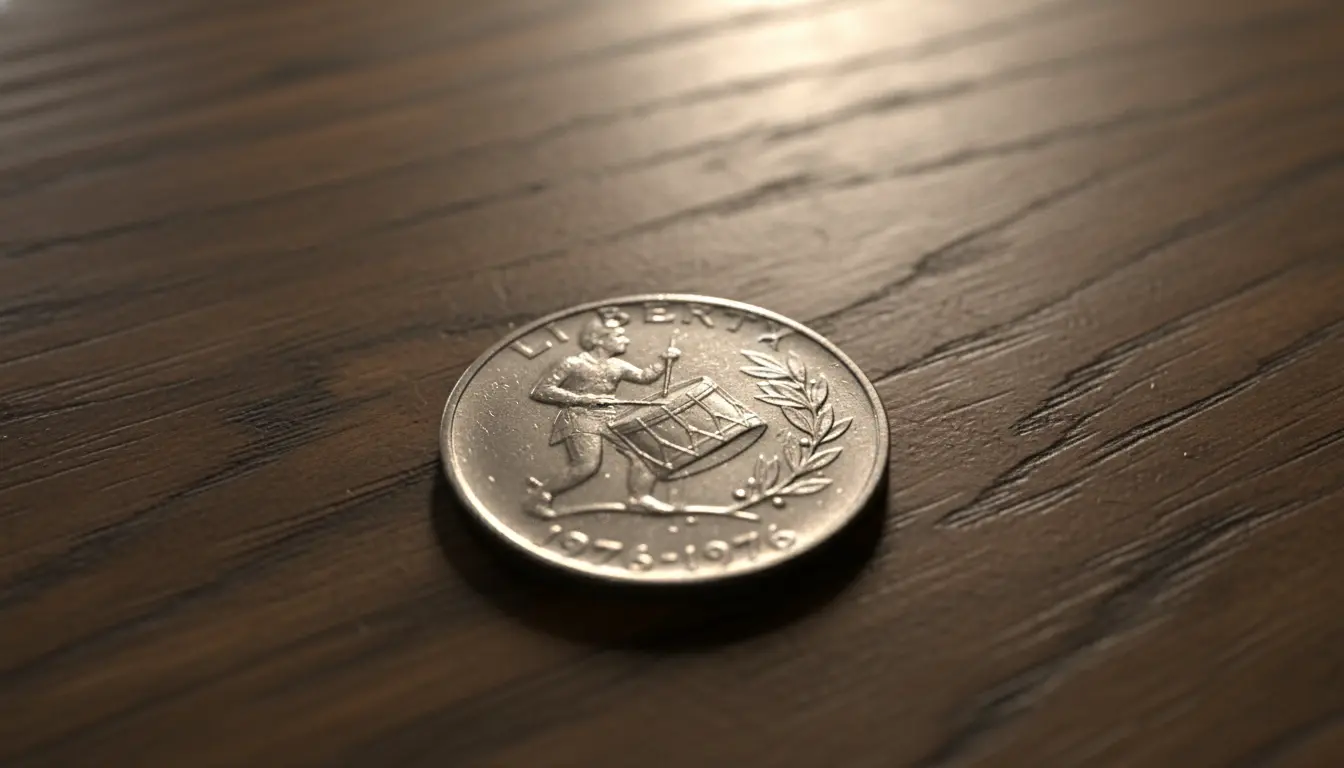
The Bicentennial Quarter was issued in 1975–1976 to mark the United States Bicentennial. It has a dual date 1776–1976 and a special reverse showing a colonial drummer. Millions were produced for circulation, collector sets, and special silver proofs.
Because so many Bicentennial Quarters were made, most are common and worth only face value or a small premium. However, a few error coins and high-grade specimens attract serious collector interest.
Could Your Pocket Change Be Worth $1 Million?
Short answer: very unlikely, but not impossible in theory. The extreme headline value is a dramatic outlier. Real value depends on rarity, condition, and collector demand.
Factors that could push a Bicentennial Quarter to exceptionally high prices include:
- Unique minting errors that are verified and extremely scarce
- Specimens in flawless grade (MS70 or PR70) with unquestionable authenticity
- Strong provenance or ownership history tied to an important collection
How Rare Bicentennial Quarter Varieties Gain Value
Collectors value coins for three main reasons: scarcity, condition, and story. For Bicentennial Quarters, watch for:
- Die breaks, double dies, or off-center strikes that are dramatic and well-documented
- Composition anomalies, such as an intended clad coin struck on a silver planchet (very rare)
- Proof versus circulation variants — some San Francisco proof coins were struck in 40% silver for sets
Even if an error exists, the market decides the price. A one-off novelty can attract bidding in auctions, but expects thorough authentication.
Signs to Check on a Bicentennial Quarter
Before assuming big value, inspect the coin carefully. Use a loupe or magnifier and good light. Look for:
- Mint mark (D, S, or none). Philadelphia issues typically have no mint mark in 1976.
- Clear date 1776–1976 and sharp detail on the drummer reverse.
- Signs of unusual striking: doubling, severe die cracks, missing elements, or a different metal color.
- Wear patterns — uncirculated coins with full fields are far more desirable.
Practical Steps to Verify and Value Your Bicentennial Quarter
Follow a structured approach. Skipping steps risks damaging a valuable coin or falling for scams.
- Do not clean or polish the coin. Cleaning destroys original surfaces and reduces value.
- Photograph the coin clearly from both sides under good light.
- Compare images to reliable references: PCGS, NGC, and recognized numismatic guides.
- Visit a local coin dealer or club for an initial opinion. Choose an established dealer with references.
- If the coin looks special, submit to a professional grading service (PCGS, NGC, ANACS) for authentication and grading.
How Grading Affects Value
Grading assigns a numeric grade and authenticates the coin. High grades (MS/PR 67–70) can multiply value. Grading also verifies mint errors and provenance.
Costs and turnaround times vary. For potentially valuable coins, use insured shipping and documented chain of custody.
The Bicentennial Quarter reverse featuring a colonial drummer was designed by Jack L. Ahr. The dual date 1776–1976 appears on all official Bicentennial coins.
How to Sell a Rare Bicentennial Quarter
If grading confirms rarity, decide between private sale, auction, or dealer consignment. Each route has pros and cons.
- Auctions can attract competitive bidding and high visibility.
- Specialist dealers offer immediate offers and industry contacts.
- Online marketplaces reach many buyers but require careful listings and buyer screening.
Use insured shipping, documented provenance, and transparent grading reports to maximize buyer trust.
Real-World Example
A collector found a Bicentennial Quarter in a box of old change. It showed unusual doubling on the drummer’s drumstick. The collector had the coin imaged, compared it to reference photos, and then submitted it to a recognized grading service for authentication.
After grading confirmed a notable doubled-die error, the coin sold through a specialist auction. While the sale did not reach headline-making millions, it fetched a strong price far above face value and ordinary collector premiums. The key steps were careful documentation and professional grading.
Final Thoughts: Be Realistic and Methodical
Headlines asking if your pocket change could be worth $1 million grab attention, but realistic outcomes are more modest. Most Bicentennial Quarters are common, but notable exceptions exist.
If you think you have a rare Bicentennial Quarter, act carefully: avoid cleaning, document the coin, get expert opinions, and use reputable grading and sale channels. That process gives you the best chance of realizing any true value the coin may hold.
Want help assessing a specific coin? Take clear photos of both sides and the edge, note any mint marks or unusual features, and consult a respected dealer or grading service for a next step.