Understanding the claim about the Lincoln Wheat Penny valued at $2.2 billion
Reports that a Lincoln Wheat Penny is worth $2.2 billion have circulated online. These headlines mix facts, viral speculation, and misunderstandings about numismatic value. This article explains how to evaluate that claim and gives practical steps if you find a potentially valuable penny.
What is a Lincoln Wheat Penny?
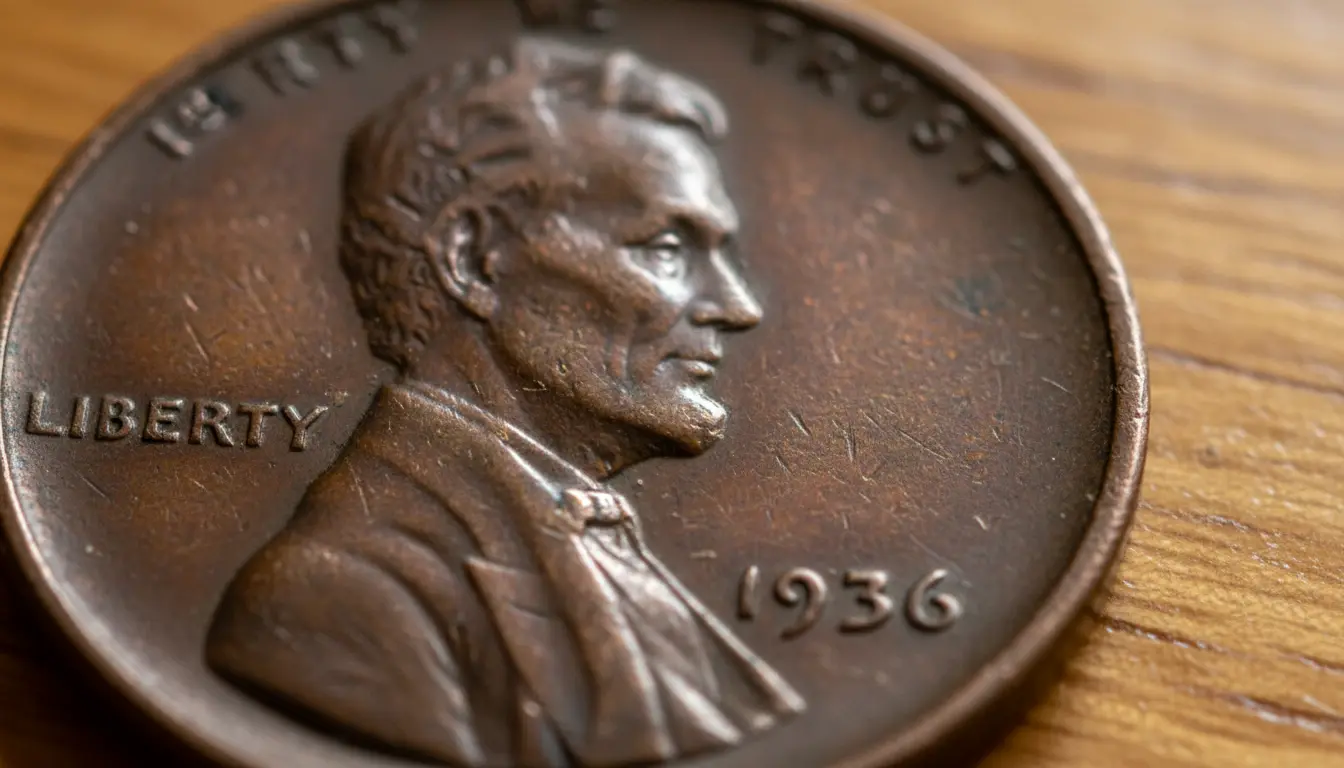
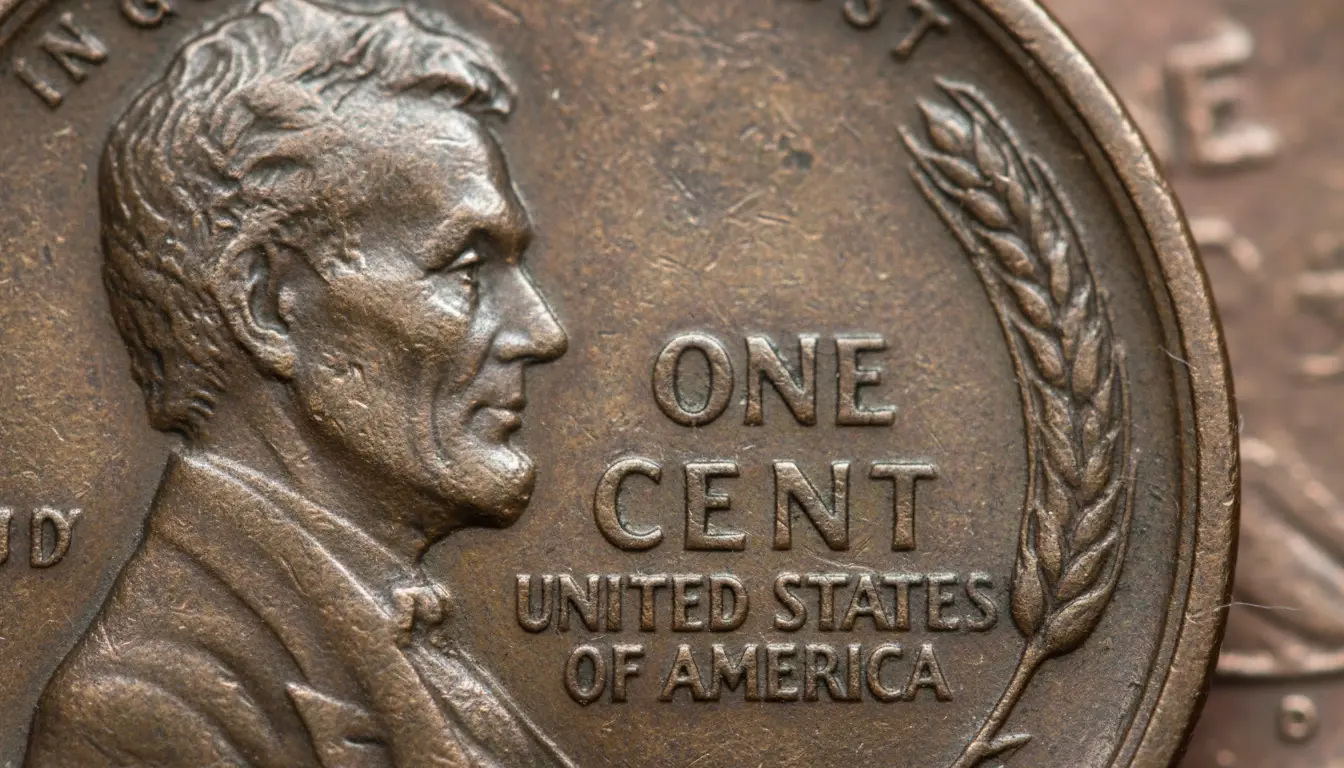
The Lincoln Wheat Penny was minted from 1909 to 1958. Its reverse shows two wheat ears and it was the United States cent for half a century.
Most wheat cents are common in circulated condition and have modest value. A small number of varieties and minting errors can be worth substantially more.
Is the $2.2 billion figure accurate?
Short answer: No credible numismatic source supports a single Lincoln Wheat Penny being worth $2.2 billion.
Common reasons for the $2.2 billion figure appearing include:
- Misreading statistics or combining totals (for example, summing large numbers of coins or total production values).
- Viral misinformation or sensational headlines that misinterpret auction estimates.
- Confusion between individual coin auction prices and broader market totals.
How rare pennies actually sell
Genuinely rare Lincoln cents—such as certain mint-error 1943 bronzes, 1909-S VDBs in top grade, or major doubled dies—have sold for six or seven figures in exceptional cases.
Those sales are notable but not in the billions. Auction results are public and can be checked with major coin auction houses and grading services.
How to verify a viral claim about a penny
Follow these practical steps to check any claim that a coin is extraordinarily valuable.
- Search reputable numismatic databases like the Professional Coin Grading Service (PCGS) and Numismatic Guaranty Corporation (NGC).
- Look for matching auction records on established auction house sites.
- Check multiple independent sources—news outlets, coin magazines, and collector forums.
How to identify a potentially valuable Lincoln Wheat Penny
Here are common features to look for when assessing a wheat penny.
- Year and mint mark: Key dates include 1909-S VDB, 1914-D, and scarce key-date issues.
- Material errors: 1943 bronze cents and other wrong-planchet strikes are highly prized.
- Die varieties: Major doubled-die obverses or reversed die errors can add significant value.
- Condition: High grade (uncirculated, sharp strike) multiplies value.
Simple identification tips
Use a magnifier and good lighting. Note subtle doubling of letters, odd color (bronze vs. steel), or irregular planchet edges. Do not clean the coin—cleaning can destroy collector value.
The Lincoln Wheat Penny design replaced the Indian Head cent in 1909 to honor Abraham Lincoln’s 100th birthday. Millions were produced each year; production numbers mean most wheat cents are common today.
What to do if you find a coin you believe is extremely valuable
If you think you have a rare Lincoln Wheat Penny, follow these practical steps to protect and verify it.
- Do not clean or tamper with the coin. Preserve its original condition.
- Photograph the coin from multiple angles with scale and date visible.
- Compare photos with known varieties using resources from PCGS, NGC, and major auction archives.
- Consult an established local coin dealer for an initial opinion, and ask for credentials.
- If the coin appears rare, consider professional grading from PCGS or NGC before auctioning or selling.
Where to get an independent opinion
Trusted options include:
- Professional grading services (PCGS, NGC)
- Major auction houses that handle rare coins
- Local numismatic clubs or certified dealers
Case study: A realistic finder story
Maria found a wheat penny in her change jar and noticed the date and a slight doubling of the letters. She photographed the coin and posted images on a reputable collector forum.
Forum members pointed out it matched a known doubled die variety. Maria then contacted a local dealer and sent the coin to a grading service. The coin received an official variety designation and graded condition, which helped her sell it through an auction house at a competitive price.
This step-by-step approach—document, consult, and authenticate—focused her expectations and produced a fair market result.
Practical takeaway on the $2.2 billion story
Extraordinary price claims need extraordinary evidence. While some Lincoln Wheat Pennies reach high prices, the $2.2 billion figure lacks reputable support.
If you think you found a rare wheat penny, protect it, research it using official resources, and seek professional verification before accepting sensational valuations.
Follow these clear steps and you’ll separate viral hype from real collector value. That approach will help you get a fair result whether the coin is a common cent or a prized rarity.