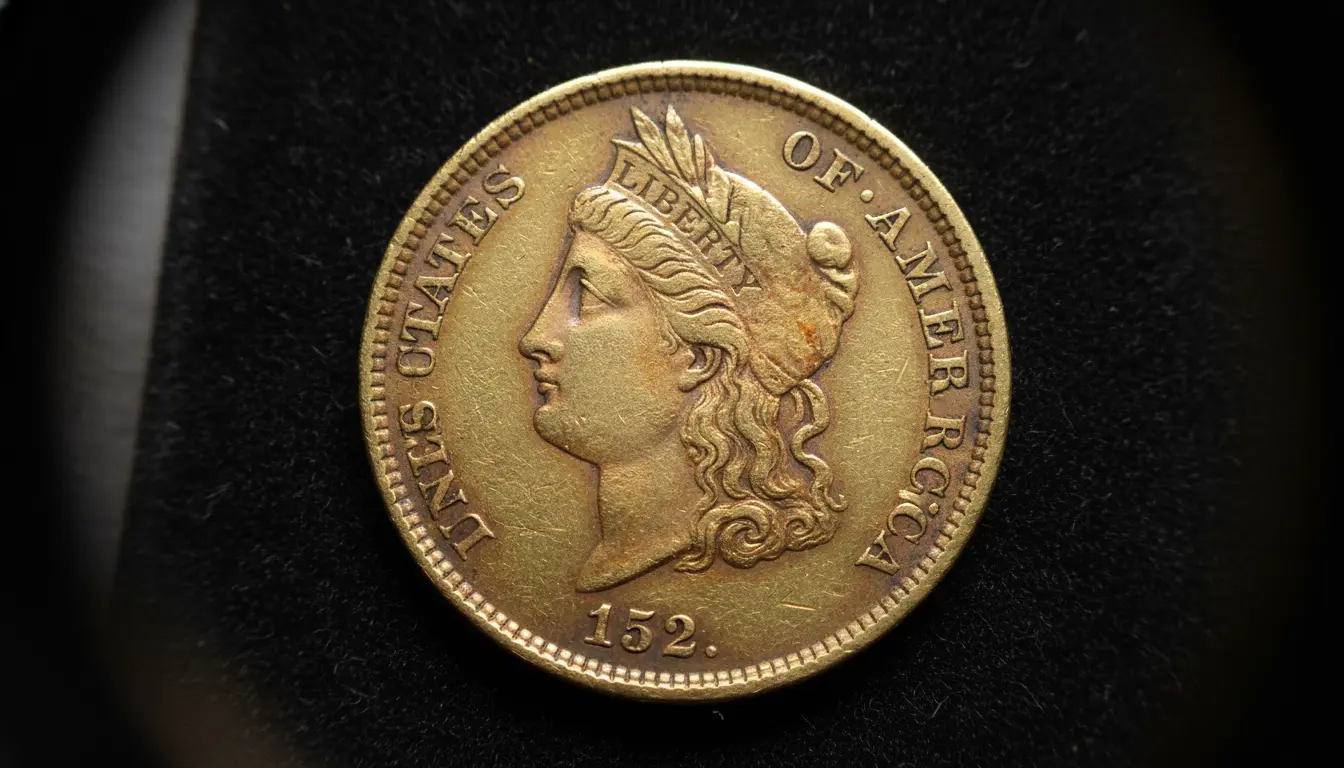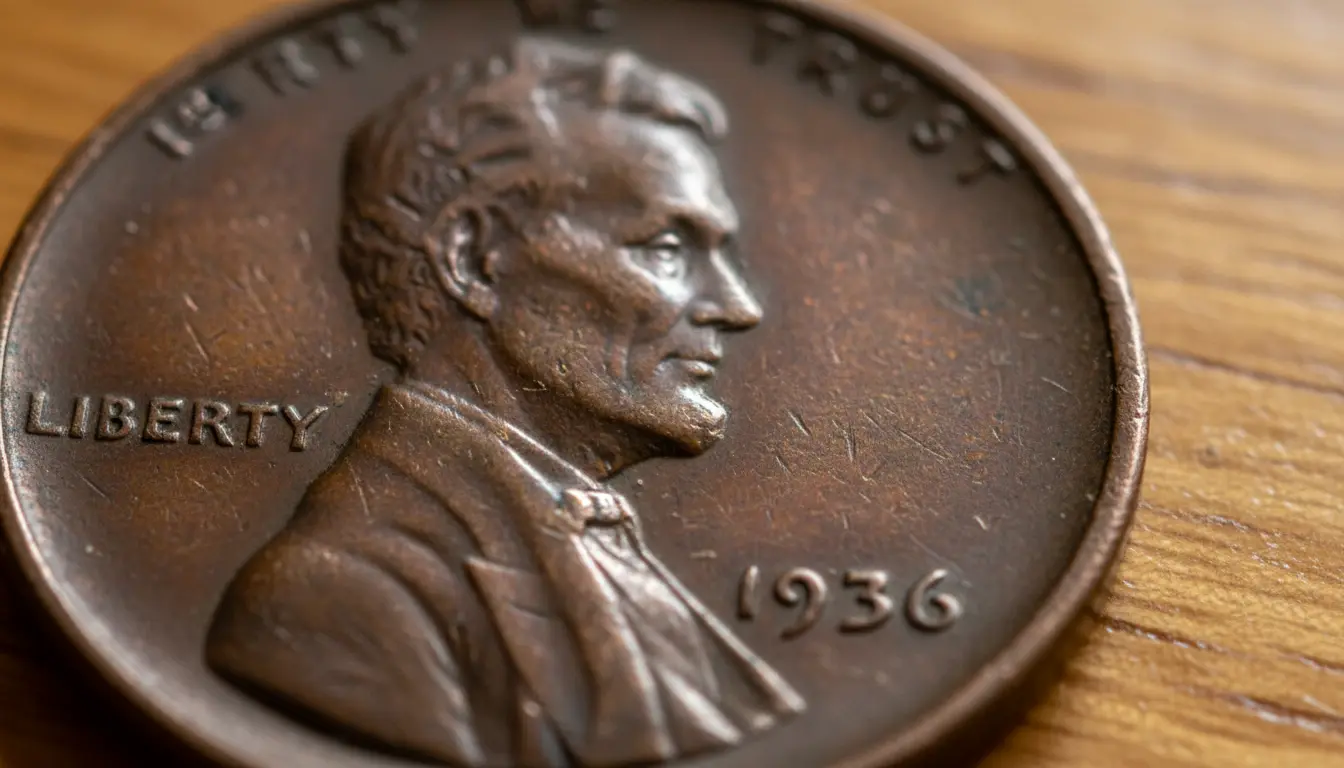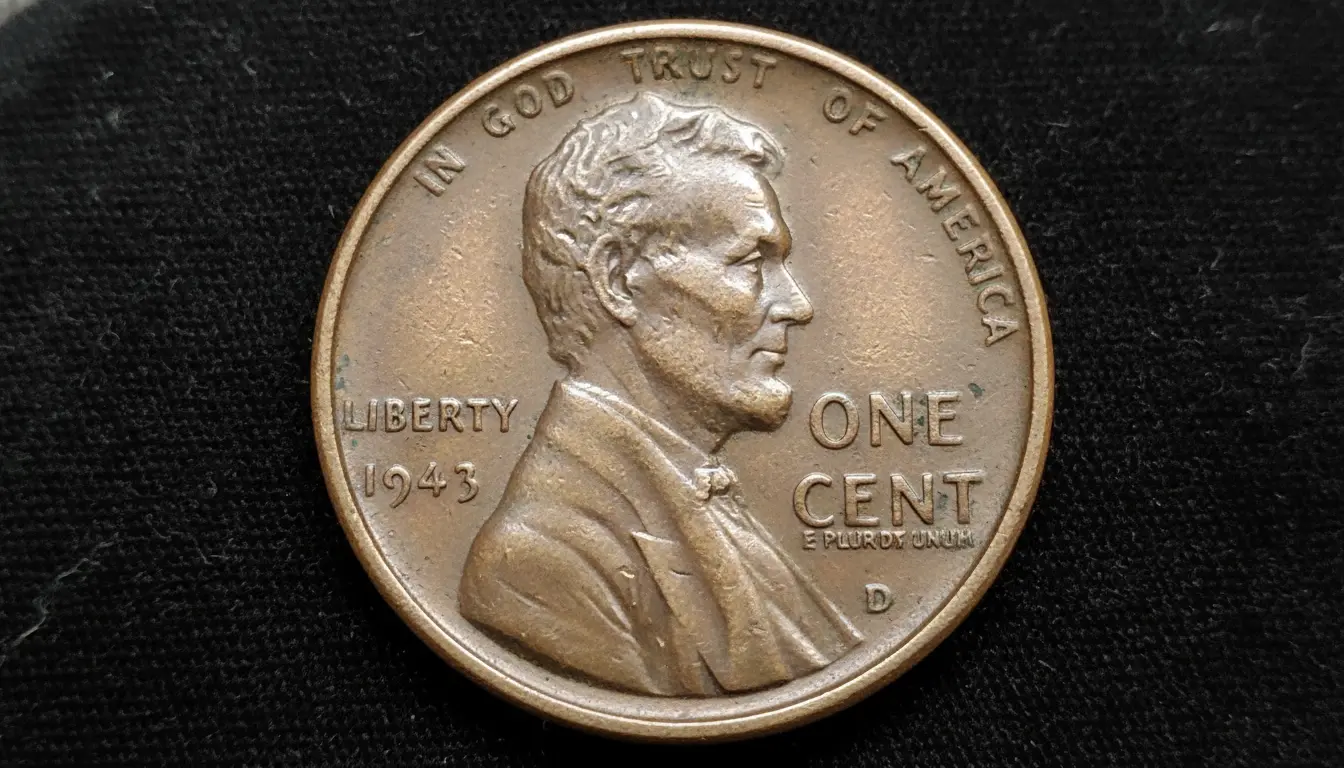
Most people expect pennies in circulation to be common and low value. A rare 1943 Lincoln Wheat copper penny breaks that expectation because most 1943 cents were struck on steel planchets. This article explains why the copper 1943 penny is rare, how to spot and authenticate one, and what to do if you find one.
What is the 1943 copper penny surprise?
The phrase refers to a small number of 1943 Lincoln Wheat cents that were struck on copper or bronze planchets instead of the steel planchets used that year. These copper 1943 cents are extremely scarce and attract strong interest from collectors.
The coins are often called 1943 Lincoln Wheat copper pennies or 1943 bronze cents. They are notable because they contradict the widely known fact that U.S. cents in 1943 were produced from zinc-coated steel.
Why were most 1943 pennies made of steel?
During World War II, copper was reserved for war materials like ammunition and electrical equipment. The U.S. Mint changed the cent composition in 1943 to zinc-coated steel to conserve copper supplies.
Steel planchets were produced and used for nearly all 1943 cents. A tiny number of copper or bronze planchets were mistakenly available or left over and some were struck that year, creating the rare error pieces.
How a 1943 copper penny can happen
There are a few scenarios that explain how a copper 1943 Lincoln Wheat could be struck:
- Leftover copper planchets from 1942 accidentally fed into the press in 1943.
- Planchet mix-ups during storage, handling, or transportation to the mint.
- Intentional or rare experimental strikes, though evidence points more to accidental production.
How to check if a 1943 penny is truly copper
Most people should avoid testing a potentially valuable coin in ways that could damage it. Here are practical, safe steps to take if you think you have a 1943 copper penny.
- Do a visual check. Copper will show brown or reddish color, not the silver-gray of a steel cent.
- Weigh the coin. A steel cent with zinc coating weighs about 2.7 grams; a copper or bronze cent weighs about 3.11 grams. A precise scale helps.
- Check the edges. Steel cents often show rust or corrosion that looks different from patina on copper.
- Avoid home chemical tests. Acids or abrasives can reduce a coin’s value.
- Take clear, close-up photos of both sides and any edge details.
- Send photos for a preliminary opinion to reputable coin forums or local coin dealers.
- If preliminary checks look promising, submit the coin to a recognized third-party grading service (PCGS, NGC, ANACS) for authentication and grading.
Authentication methods for 1943 Lincoln Wheat copper pennies
Authentication combines physical testing and expert review. Professionals will check weight, diameter, metal composition, die markers, and provenance.
- Metal analysis: X-ray fluorescence (XRF) can determine composition without harming the coin.
- Die and strike examination: Experts compare die markers to confirmed examples to detect tooling or altered pieces.
- Grading and encapsulation: A third-party grading company provides a protective holder and certificate that buyers trust.
Value and the reported $1.8 million 1943 copper penny
Because verified copper 1943 Lincoln Wheat pennies are so rare, they attract extremely high prices at auction and private sale. Reports of a sale or valuation near $1.8 million reflect how much collectors will pay for a confirmed, high-grade example with solid provenance.
Prices vary with grade, provenance, and market demand. Authentication by a major grading service is essential to achieve top prices.
Case Study: Finding and selling a rare 1943 penny
A small-town cashier discovered a dark-toned cent while making change. The coin looked unusual compared with ordinary pennies, so the cashier placed it in a coin holder and took photos. A local coin dealer confirmed it might be a 1943 copper cent and recommended sending it to a major grading service.
After third-party authentication confirmed the metal composition and a verified bronze strike, the owner consulted reputable auction houses and sold the coin to a collector. The transparent chain of custody and professional grading were key to getting near the reported high sale price.
What to do if you find a 1943 copper penny in circulation
If you find a cent that appears to be a 1943 copper penny, follow these steps to protect value and authenticity.
- Do not clean or alter the coin.
- Handle it by the edges and store in an acid-free holder.
- Photograph both sides and the edge under good light.
- Get preliminary opinions from trusted dealers or coin clubs.
- Submit the coin to a recognized grading and authentication service for final verification.
Only a few authenticated 1943 copper cents are known to collectors. The majority of 1943 pennies were steel due to wartime copper conservation, making any verified copper example highly sought after.
Final practical tips for collectors and finders
Be cautious and methodical. Rare coins reach their full value only with careful handling, trusted authentication, and clear provenance. Even if a coin looks like a rare 1943 copper cent, professional verification and documentation are essential.
By following the steps above, you protect both the coin and its potential value while learning more about its place in U.S. minting history.