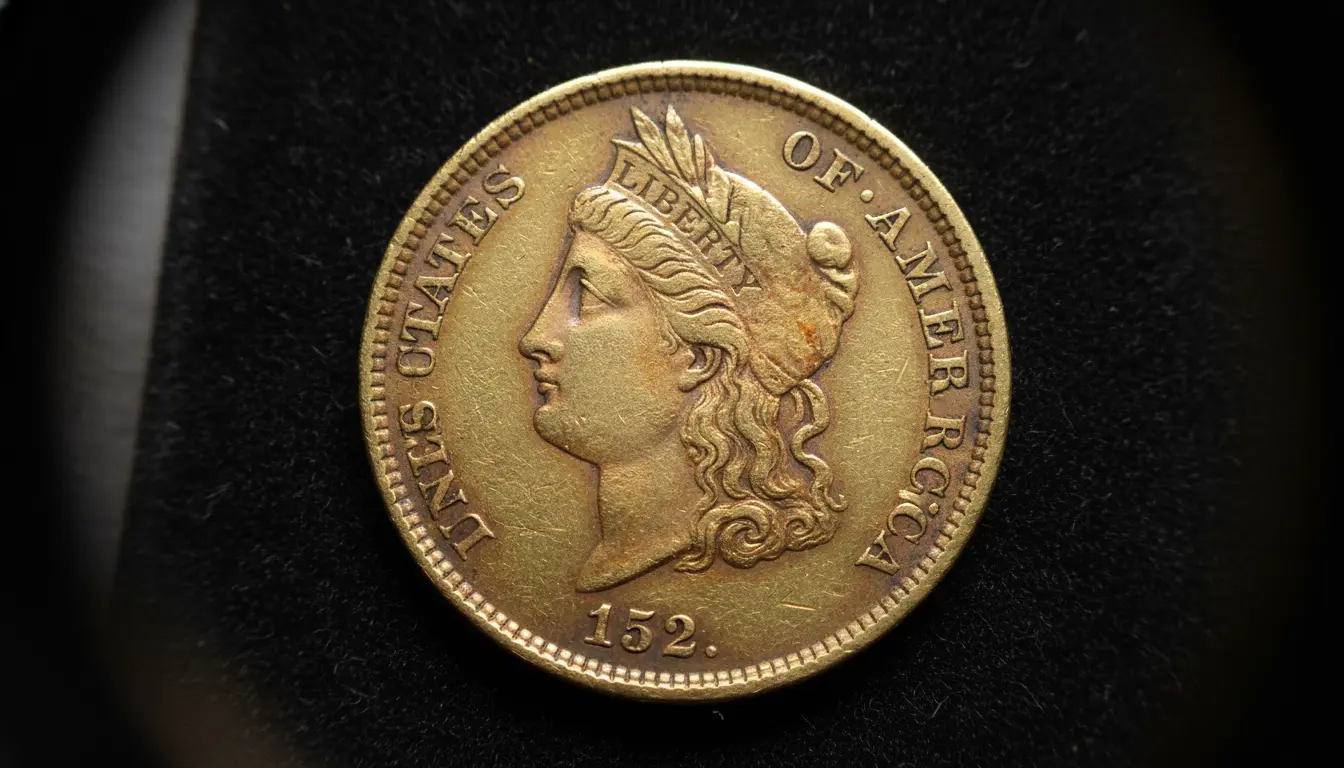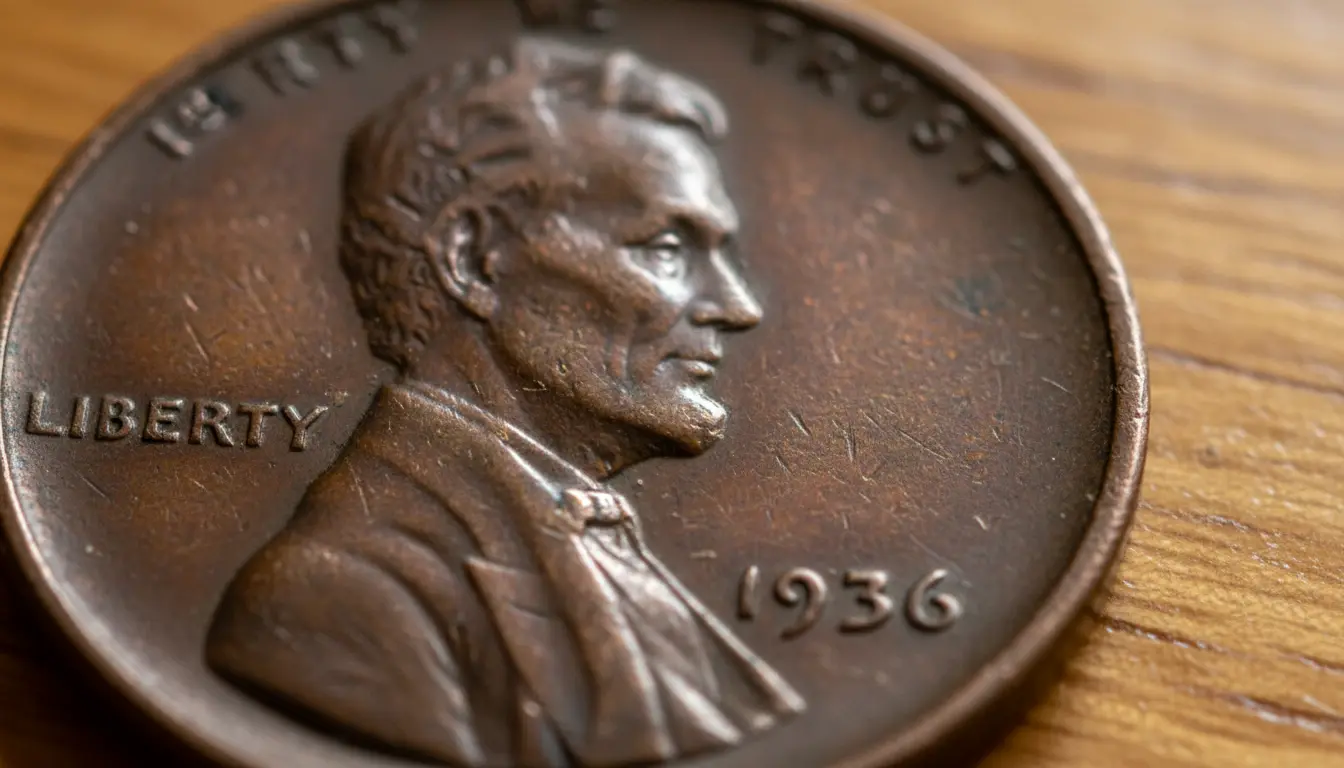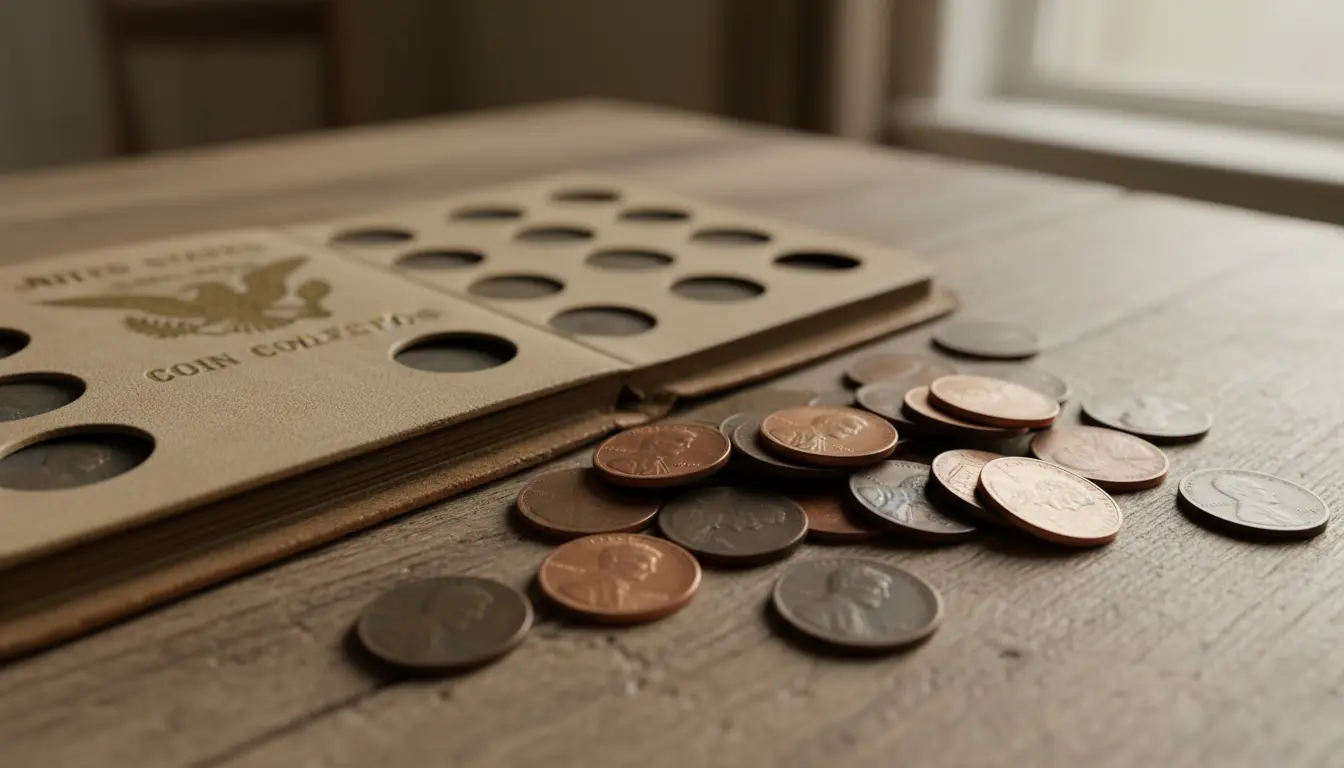
Overview of Lincoln Wheat Pennies by Year in 2025
Lincoln Wheat pennies (1909–1958) remain one of the most accessible and collectible U.S. coin series. Values depend heavily on the year, mint mark, condition, and errors.
This guide explains which years are worth watching in 2025 and shows practical steps to identify and protect valuable coins. Use this to make smarter collecting and selling decisions.
Why Lincoln Wheat Pennies by Year Matter
Different years had different mintages and production problems, which creates pockets of rarity. A common-looking date can be ordinary or valuable depending on manufacturing variances.
Collectors and investors pay attention to year-specific issues like low-mintage strikes, mint errors, and popular varieties such as VDB initials and doubled dies.
Top Rare Years to Watch for Lincoln Wheat Pennies by Year
Below are well-known years and why they stand out. Each entry includes what to look for and a rough value idea for circulated to collectible grades.
- 1909-S VDB — Early Lincoln cent with designer initials on the reverse. Low mintage makes it highly collectible.
- 1914-D — Low mintage Denver issue. High demand in higher grades.
- 1922 No D — Many 1922 cents lack a visible D mint mark; certified MS examples can command strong prices.
- 1931-S — Scarce San Francisco strike. Valuable in uncirculated condition.
- 1943 Copper Errors — Most 1943 cents are zinc-coated steel; a copper cent from 1943 is a major error and extremely rare.
- 1955 Doubled Die Obverse — Classic doubled-die variety that collectors seek, especially in higher grades.
How to recognize these key years
Check the date and mint mark carefully under magnification. Mint marks (D, S) are small and can be faint on worn coins.
For error coins, look for odd metal color, doubled lettering, or mismatched weight and magnetic behavior.
Factors That Affect Value
Year matters, but so do condition, provenance, and authentication. Two identical dates can vary significantly in price if one is well struck and the other is worn.
Certified grade from PCGS or NGC often increases buyer confidence and market price. Uncertified coins sell, but expect lower offers or more negotiating.
Key condition checks
- Wear and strike: Look at high points—Lincoln’s cheekbone and hair for wear.
- Surface quality: Scratches, cleaning, or corrosion reduce value sharply.
- Weight and magnetism: A 1943 copper will weigh about 3.1 grams and not be magnetic; 1943 steel cents are lighter and magnetic.
The Lincoln Wheat cent was produced from 1909 to 1958. In 1959 the reverse design changed to the Lincoln Memorial.
How to Inspect and Authenticate Lincoln Wheat Pennies by Year
Start with a 10x loupe, a good light source, and a stable surface. Examine dates, mint marks, and reverse details for doubling or missing marks.
Use a scale and magnet for suspected 1943 copper/steel issues. If you find a strong candidate, consider third-party grading for authentication.
Common authentication steps
- Visual inspection with magnification for doubling, die breaks, or repunched mint marks.
- Weigh and test with a magnet for metal composition clues.
- Send to a reputable grading service (PCGS, NGC) when you suspect a high-value piece.
Where to Buy and Sell in 2025
Choose reputable dealers, auction houses, or graded-auction platforms when dealing with high-value wheat cents. Avoid selling without authentication for rare dates.
Local coin shops and shows are useful for learning values and getting quick offers. Online marketplaces expand reach but require caution with buyer protections.
- Use graded auction records to gauge fair market value.
- Get multiple offers before selling a rare piece.
- Keep documentation and provenance for more valuable coins.
Small Case Study: Finding Value in a Jar
A collector cleaning an inherited coin jar found a worn 1955 doubled-die obverse. The coin was modestly circulated but showed clear doubling on Lincoln’s date and motto.
After sending the coin for third-party review, the classification confirmed the doubled die variety. The collector sold it through a specialist auction and used the proceeds to buy more targeted dates for their collection.
Practical Tips for Smart Collecting
Focus on a clear plan: pick a date range, mint mark, or type (errors vs. high-grade regular strikes). This keeps purchases intentional and budgeted.
Learn to grade by eye. Practice with common coins and compare with certified examples online. Over time you’ll spot promising coins before spending on grading fees.
- Create a checklist for each coin: date, mint mark, weight, magnet test, and photos.
- Budget for grading when you find a likely high-value piece.
- Network with local clubs to learn market trends and trades.
Final Checklist: Assessing Lincoln Wheat Pennies by Year in 2025
- Confirm the date and mint mark under magnification.
- Check weight and magnetism for 1943 anomalies.
- Evaluate surface and wear; look for doubling or die breaks.
- Get a suspected rare coin authenticated and graded.
- Compare selling options and keep documentation.
Understanding Lincoln Wheat pennies by year in 2025 lets you find hidden value in common rolls and make smart collecting choices. Use careful inspection, authoritative grading, and market research to protect your investment and grow a meaningful collection.