Why the 1943 Copper Lincoln Wheat Penny is so rare
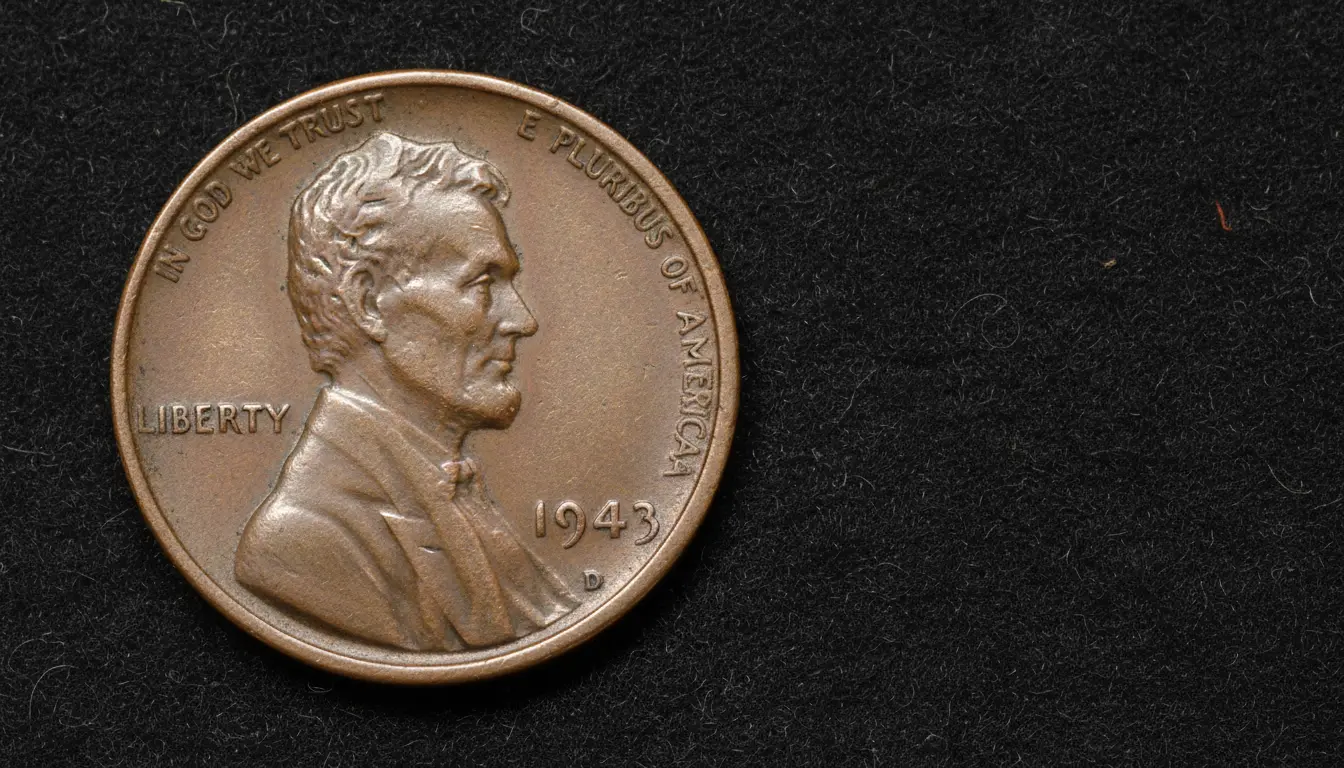
The 1943 Copper Lincoln Wheat Penny is famous because the U.S. Mint switched to zinc-coated steel cents that year to conserve copper for the war effort. A copper planchet struck as a 1943 penny is therefore a major mint error.
Only a few authenticated examples are known, which drives collector interest and high valuations. That rarity is what fuels headlines that mention values up to several million dollars.
How to identify a 1943 Copper Lincoln Wheat Penny
Careful inspection and basic tests can separate a potential copper 1943 from common steel cents or fakes. Follow a step-by-step approach rather than assuming value from appearance alone.
Visual checks for the 1943 Copper Lincoln Wheat Penny
Look for the typical bronze color of pre-1943 pennies instead of the silver-gray of 1943 steel cents. The obverse should show Lincoln and the reverse the wheat stalks, consistent with other Wheat Pennies.
Edge inspection helps. A true 1943 steel cent has a thin zinc coating over steel and often shows a silvery edge. Copper planchets show a consistent bronze color through the rim.
Simple tests you can do at home
- Magnet test: A steel 1943 cent is magnetic; a true copper cent will not stick to a magnet. This is a quick first filter.
- Weight check: Copper planchets are noticeably heavier than steel cents. Use a precise jeweler’s scale for the best results.
- Sound test: Tap tests can hint at composition—the sound differs between copper and steel—but this is not definitive.
Professional authentication for the 1943 Copper Lincoln Wheat Penny
Because fakes and copper-plated steel replicas exist, professional grading and authentication are essential. Submit the coin to PCGS, NGC, or a trusted numismatic laboratory for X-ray fluorescence (XRF) or detailed physical testing.
Never rely on online photos alone when dealing with high-value possibilities. Certification with provenance is what major auction houses and collectors require.
A 1943 copper Lincoln Wheat Penny can be worth far more than everyday cents. Several authenticated examples have sold for seven-figure prices, but values vary by condition and documentation.
Where to hunt for the 1943 Copper Lincoln Wheat Penny
Finding a genuine 1943 copper cent is unlikely, but targeted searching can increase your chances of discovering valuable errors. Use a methodical approach.
- Check loose change and coin jars at home: many error finds come from pocket change or household jars.
- Roll hunting: examine rolls from banks. Ask for circulated pennies rather than new rolls, which can still yield surprises.
- Estate sales and collections: older accumulations sometimes contain stray error coins that escaped early detection.
- eBay and online marketplaces: search for well-photographed listings and request high-resolution images before committing.
Selling and valuation for the 1943 Copper Lincoln Wheat Penny
Expect a wide valuation range. Documented provenance and professional grading determine final auction prices far more than initial headlines. Estimates up to several million exist, but most major sales have been in the high six- to seven-figure range for well-documented examples.
Follow a clear plan if you find a candidate: authenticate, obtain high-quality photos and provenance, consult reputable dealers, and consider a major auction house for maximum exposure.
Avoiding scams and fake claims
- Don’t accept unverifiable online offers. Ask for serial numbers from grading services if a seller claims certification.
- Be cautious with ungraded coins offered for high prices—the risk of copper-plated steel and other fakes is real.
- Get multiple opinions from recognized experts before selling or buying a high-value specimen.
Small real-world example
A collector found a suspicious 1943 penny in a jar of change and performed simple tests: it was non-magnetic and heavier than nearby steel cents. He documented the coin with high-resolution photos and submitted it to a grading service.
After authentication and grading, the coin attracted interest from collectors and was consigned to an auction house. The presence of certification and a clear chain of custody dramatically increased buyer confidence and realized price.
Quick checklist for hunting the 1943 Copper Lincoln Wheat Penny
- Look for bronze color, not silver-gray.
- Use a magnet as a first test.
- Weigh the coin on a precise scale.
- Document photos and provenance before contacting experts.
- Submit to PCGS or NGC for final authentication.
Hunting for a 1943 Copper Lincoln Wheat Penny is a mix of patient searching and careful verification. Treat every promising find with skepticism and follow authentication protocols to realize any top value. With persistence and the right steps, you can turn a jar of coins into a meaningful discovery.